A Guide to South Orange Maplewood Home Styles
July 2, 2026
July 2, 2026
Wondering why one South Orange or Maplewood listing feels formal, another feels cozy, and another looks like it belongs in a storybook? In these neighboring Essex County communities, housing style is a big part of how a home lives, how it looks online, and what kind of upkeep you may want to plan for. If you are comparing listings or thinking about a move, understanding the local architecture can help you read past the headline and spot the details that really matter. Let’s dive in.
South Orange and Maplewood share a housing story that is both historic and varied. South Orange reports that an estimated 85% of homes were built from the late 1800s to the 1930s, while Maplewood says most of its housing stock dates to the first four decades of the 20th century. That means when you shop here, you are often looking at homes with strong architectural identity, not just square footage and bedroom count.
Both towns are also largely owner-occupied, with South Orange at 65.4% and Maplewood at 74.9%. In practical terms, that helps explain why curb appeal, exterior condition, and preservation status often play such a big role in buyer decisions. Style is not just a label here. It often shapes value, maintenance, and resale appeal.
Colonial Revival homes are usually the easiest to recognize if you like symmetry. You will often see a centered front door, evenly spaced windows, and classical details like columns, pilasters, or a decorative pediment over the entry. Rooflines may be side-gabled or gambrel.
Inside, these homes often follow a central hall layout with rooms on either side. That tends to create a more formal feel and can work well if you want separate spaces for working from home, guests, or quieter day-to-day living. If you value order and a classic front facade, this style often stands out.
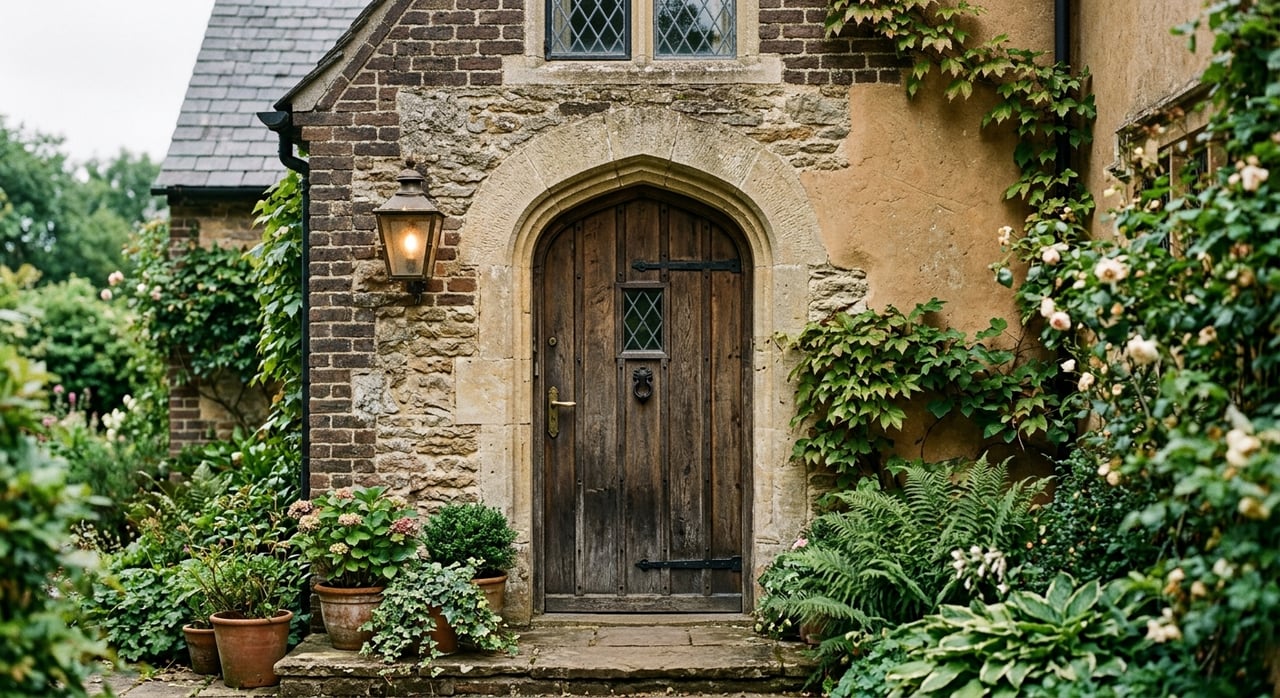
Tudor Revival homes are a signature look in this part of Essex County. Common details include half-timbering, stucco, small casement windows, steep rooflines, and prominent chimneys. The facade is often asymmetrical, which gives the home a more storybook look.
Compared with Colonial Revival homes, Tudors often have a smaller entrance area and a more irregular interior layout. Many buyers like that sense of privacy and separation between rooms. At the same time, the roof, chimney, stucco, and windows can be key areas to review closely when you are evaluating condition.
If a home has dramatic curb appeal, there is a good chance it falls into the Victorian family. In South Orange and Maplewood, Queen Anne and related Victorian homes often feature asymmetrical facades, towers or turrets, ornate trim, broad shingles, and turned wood porch posts. These homes are usually rich in detail before you even step inside.
The floor plans are often irregular, with rooms of different sizes extending from a large entrance area. That can create memorable entertaining spaces and a lot of character. It can also mean more exterior trim, more roof complexity, and more upkeep tied to original details.
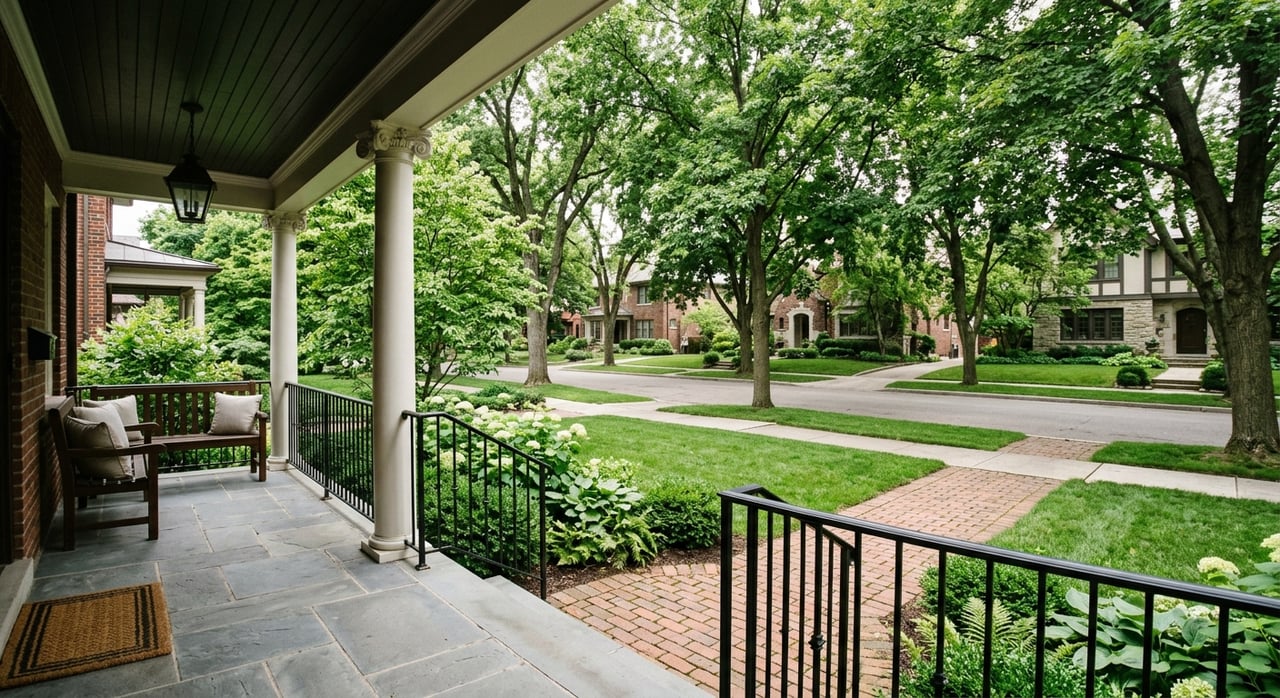
American Foursquare homes are known for their practical shape. They are usually boxy, two stories tall, and topped with a hipped or pyramidal roof, often with dormers and a full front porch. Many buyers find them approachable because the layout often feels efficient and easy to use.
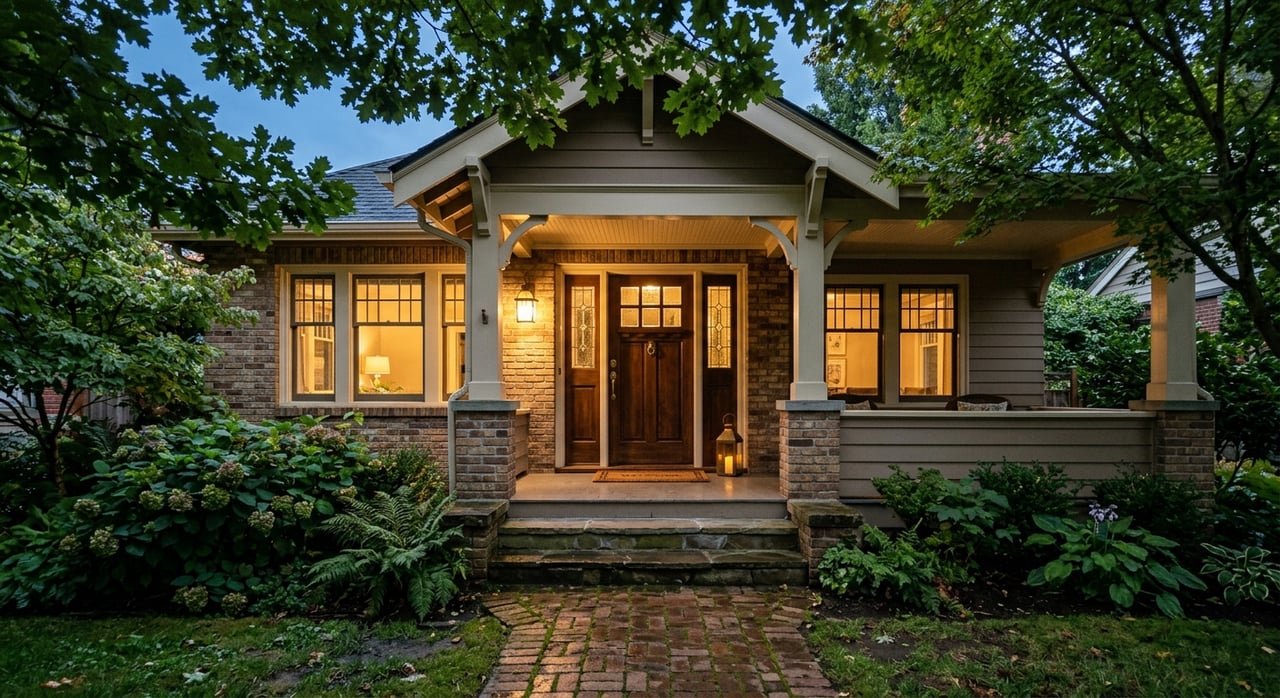
Craftsman details can overlap with Foursquare homes in Maplewood. Look for low-pitched roofs, wide eaves, exposed rafter tails or brackets, and a mix of natural-looking materials. These homes often strike a nice balance between vintage character and everyday livability.
Not every home fits neatly into one category. Maplewood notes that many houses combine Colonial Revival, Tudor, and Craftsman elements, while South Orange includes Ranch, Modern, and townhouse-style condominiums alongside older single-family homes. That means listing descriptions may simplify a style that is actually more mixed.
If you are comparing homes online, the label should be your starting point, not your conclusion. The roof shape, window pattern, porch design, and entry proportions usually tell the fuller story. In this market, details matter more than shorthand.
A quick exterior scan can tell you a lot. A centered door with balanced windows often signals Colonial Revival. Half-timbering, stucco, steep roofs, and a heavy chimney usually point toward Tudor.
Turrets, irregular shapes, and decorative porch trim often suggest Victorian or Queen Anne. A boxy two-story form with dormers and a full porch usually fits the Foursquare mold. Low eaves, exposed brackets, and mixed materials often lean Craftsman.
Photos can also hint at how a home may function. Colonial Revival and Foursquare homes often suit buyers who want distinct rooms for work, guests, or flexible daily use. Tudor homes can feel more enclosed and private, which some buyers strongly prefer.
Victorian and Queen Anne homes often shine for buyers who want dramatic character and entertaining spaces. Craftsman homes can feel more naturally casual and connected. None of this replaces an in-person visit, but it can help you narrow your search faster.
Housing style is not just about looks. It often shapes how you move through the home and how easy it is to adapt over time. In South Orange especially, the master plan notes that residential lots tend to be larger than in some neighboring communities, so outdoor space may also influence which style feels like the best fit.
If you want formality and separation, a Colonial Revival or Foursquare may feel intuitive. If you want a more intimate, tucked-in feeling, Tudor may be more appealing. If your priority is charm, porches, and visual personality, Victorian homes often deliver that in a big way.
In older SOMA homes, the big maintenance questions often center on the building envelope and historic materials. Roofs, chimneys, porches, windows, exterior wood trim, stucco, and masonry are all important areas to assess. These features often define the style, but they can also shape your repair budget.
Each style tends to have its own watch points. Colonials draw attention to window proportions and entry symmetry. Tudors often concentrate risk around roof intersections, chimneys, and stucco. Victorians may require more care for decorative woodwork and complex roofs, while Foursquares and Craftsman homes often call for close review of porches, brackets, rafters, and mixed-material foundations or chimneys.
When you review a listing, try to notice what appears original and what appears changed over time. Updated kitchens and baths may improve convenience, but exterior changes can affect architectural consistency. That is especially important in areas where preservation review may apply.
A thoughtful update can support a home’s character. A poorly matched alteration can make the exterior feel disjointed. This is one reason style literacy can be so useful in South Orange and Maplewood.
Maplewood’s preservation guidance says additions and exterior alterations should not destroy historic materials and should remain compatible with the home’s massing, size, scale, and architectural features. The township also notes that local landmark designation offers the highest protection, and exterior changes in historic districts are reviewed by the local preservation commission.
South Orange has a Historic Preservation Commission that issues certificates of appropriateness for demolition, relocation, or subdivision involving designated buildings and historic districts. For you as a buyer or owner, the takeaway is simple: before budgeting for facade changes, window replacement, or additions, confirm whether the property has any local preservation status.
The style name in a listing is helpful, but it is rarely the full picture. In these towns, the more useful skill is reading the architecture itself. Focus on symmetry, roof shape, porch details, window patterns, and whether the layout seems formal, segmented, or more open.
That approach can help you compare homes more confidently, especially in a market where so much of the housing stock dates to the early 20th century. It can also help you spot where character, livability, and future maintenance may intersect. When you understand the style, you are in a much better position to judge fit, value, and long-term potential.
If you are weighing a move in South Orange or Maplewood, a clear reading of architecture can save time and sharpen your search. For guidance that combines local perspective with a polished, hands-on process, connect with Mumoli Real Estate Inc..
Stay up to date on the latest real estate trends.
Private real estate advisory for New Jersey’s most discerning clients. Specializing in luxury homes, new developments, and condo conversions across Jersey City, Hoboken, Weehawken, and the NJ Suburbs.