Jersey City Small Multifamily Investing and Conversion Basics
May 14, 2026
May 14, 2026
If you are looking at a small multifamily property in Jersey City and wondering whether it could become condos, the short answer is yes, but only if the numbers and approvals line up. This is a market where older rowhouse-style buildings, zoning rules, historic review, tenant protections, and exit pricing all matter at the same time. If you want to understand the basics before you buy, renovate, or plan a sellout, this guide will help you focus on the issues that usually shape the outcome. Let’s dive in.
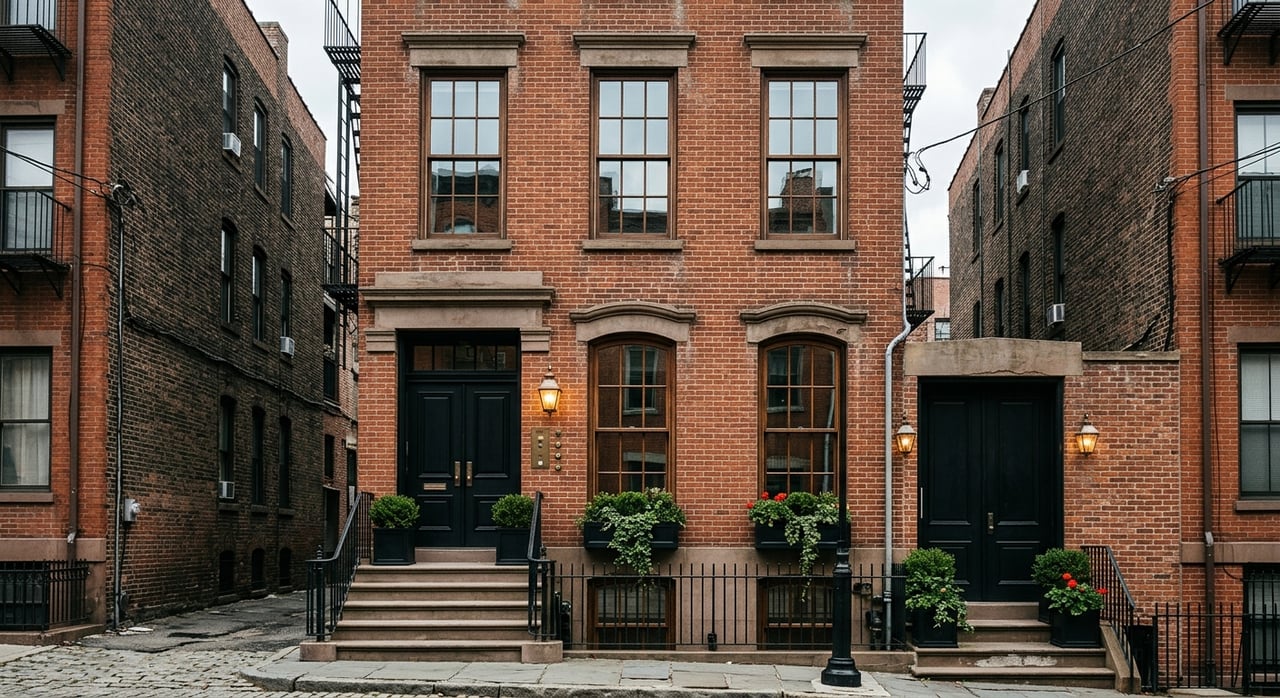
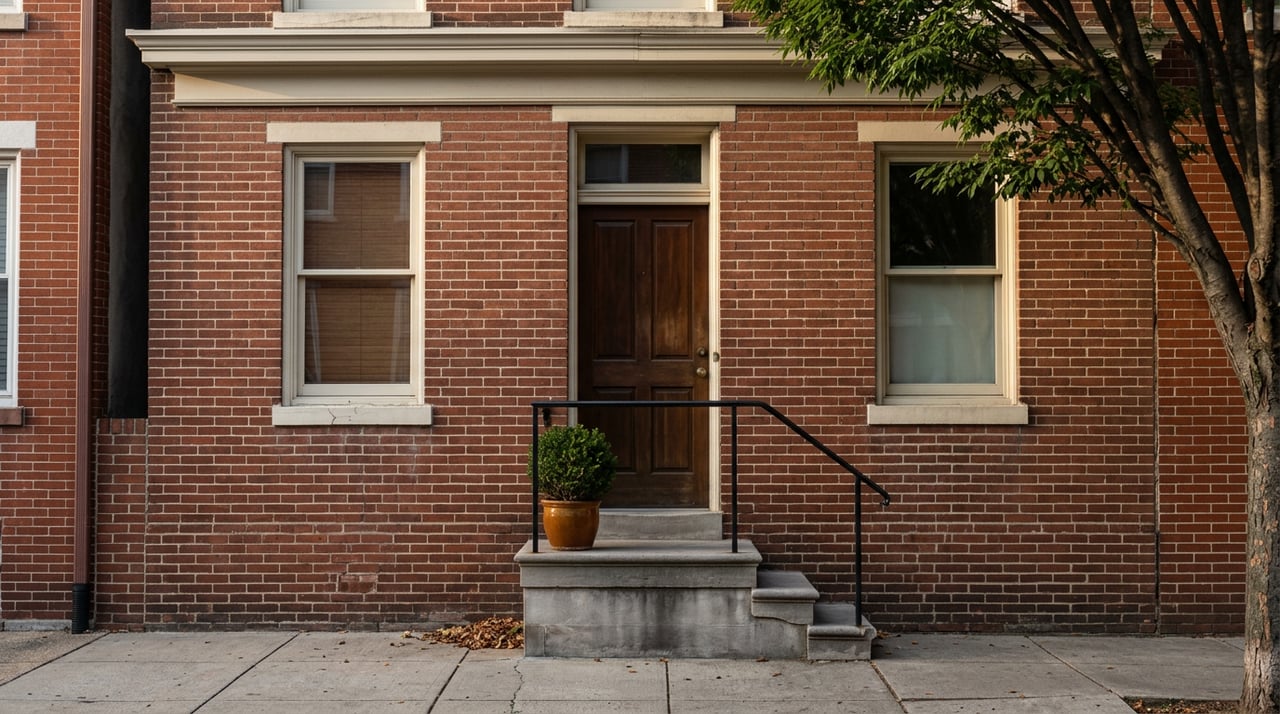
Jersey City offers real opportunity for small multifamily repositioning, but it is not a plug-and-play market. A lot of the city’s historic-core housing stock is tied to older attached buildings, including brick and brownstone rowhouses, especially in areas noted in local preservation materials such as Van Vorst Park, Harsimus Cove, and Hamilton Park.
That building pattern matters because many projects start with existing structures that were built long before today’s zoning, permitting, and code expectations. In practice, that means your project may look simple from the street while still requiring detailed review behind the scenes.
Market conditions also vary by area, which affects how you underwrite a project. Current citywide snapshots show condos listed around a median of $699K to $749K, with typical market times around 34 to 42 days, but those figures are directional and not exact apples-to-apples comparisons.
Neighborhood differences can be meaningful. Realtor.com’s broader market snapshot shows Downtown Jersey City around $735K and 36 days on market, while The Heights shows around $849K and 28 days on market, with some western and southern parts of the city trending lower in price and slower in marketing time.
One of the most important basics in Jersey City is this: legal unit count is a zoning question first. You cannot assume that the number of kitchens, mailboxes, or entry doors tells you what is permitted today.
Jersey City’s residential guide says the number of dwelling units depends on both zoning district and lot size. For example, in R-1 or RH-2, lots larger than 2,560 square feet can be allowed up to three dwelling units, while higher-density RC districts may support more units.
That is why early due diligence matters. Before you spend heavily on plans or construction assumptions, you need to confirm what the zoning district allows and how the lot dimensions affect the potential use.
There are also situations where the city allows added flexibility. In R-1, an attached or ground-floor garage can be converted into an additional dwelling unit with Planning Board conditional use approval, and accessory dwelling units are allowed in RH-1, RH-2, R-1, and R-2.
If your project includes new units or a change in use, you also need to watch for affordable housing overlay requirements. The city notes that where the overlay applies, affordability set-asides can be 10% or 15% depending on location, and coordination with the Division of Affordable Housing is required before building permits are pursued.
In Jersey City, zoning is the first stop for buyers, renovators, and property owners trying to confirm use. The city handles applications through its online portal, and a Zoning Determination Letter is completed within 10 business days.
If your project involves work that needs a building permit or Historic Preservation Office approval, the city says a Zoning Review Application is the first step. That sequence is important because permit review does not move forward until zoning approval is in place.
This can affect both timeline and budget. A project that looks straightforward may slow down if the legal use is unclear, if lot-based restrictions limit unit count, or if additional board approvals are needed.
Jersey City has five local historic districts and 14 local landmarks. If your building is in one of those districts or is a designated landmark, you may need historic review before work begins.
The city states that owners must secure either a Certificate of No Effect or a Certificate of Appropriateness from the Historic Preservation Commission. Many rehabilitation, restoration, maintenance, and repair items may be handled under a Certificate of No Effect, while new construction, rear-yard or rooftop additions, demolitions, and visually inconsistent work typically move to Certificate of Appropriateness review.
For small multifamily projects, this matters because exterior changes often affect schedule and scope. If your business plan relies on additions, visible façade updates, or major alterations, historic review can become a central part of the project instead of a side note.
Once zoning is addressed, construction review becomes the next major checkpoint. Jersey City states that zoning approval must be in place before permit review can proceed for additions, renovations, and similar work.
The city also notes that it does not issue new Certificates of Occupancy simply because a property is being bought or sold if a Certificate of Occupancy already exists for the current use. New Certificates of Occupancy are generally required after new construction or major renovation.
For new multifamily or condo work, additional signoffs may apply. The city’s permit materials show that projects can trigger items such as prior utility approvals, homeowners warranty documentation for condo units, and DCA multi-unit registration for new construction or changed units.
That is one reason experienced planning tends to pay off. A project budget should account not only for finishes and labor, but also for the paperwork and approvals that support the final use and sale.
If you are repositioning older rental stock, lead compliance should be part of your early budget. Jersey City says that all single-family, two-family, and multiple rental dwellings subject to the law must be inspected upon tenant turnover or within two years of July 22, 2023, and then every three years or on turnover, whichever is less, for pre-1978 dwellings.
This requirement can affect timing, repair scope, and carrying costs. For many small investors, it is not the largest line item, but it is exactly the type of compliance issue that can create avoidable friction if ignored too long.
If your end goal is a condo conversion, New Jersey law adds another layer of process. The rules require a 60-day notice of intent to convert and delivery of the full plan of conversion before tenants receive eviction notices.
Tenants in occupancy at the time of the notice also have a 90-day exclusive right to purchase their unit. The full conversion plan must include detailed materials such as the site plan, unit price, terms of sale, condominium documents, title and encumbrance disclosures, an engineering survey, an audited expense statement, and a first-year budget.
That is a substantial documentation package. In other words, condo conversion is not just a design and sales exercise. It is a legal, operational, and timing-sensitive process that needs to be organized carefully from the beginning.
Tenant protections are one of the biggest reasons to model conversion projects conservatively. Pre-conversion tenants can receive a three-year notice to quit after the notice period, moving-expense compensation or a one-month-rent waiver, and the right to request comparable housing within 18 months.
Hudson County residents may also apply for protected tenancy under the Tenant Protection Act of 1992. Depending on the facts of the occupancy, that can materially affect your timeline and carrying costs.
For that reason, a vacant or soon-to-be-vacant building may underwrite very differently from an occupied one. If tenants are in place, the legal path to a conversion exit may be slower and more expensive than first-time investors expect.
When you evaluate a small multifamily or conversion project, resale value should be looked at from more than one angle. Fannie Mae says the income approach is required for two- to four-unit properties and may also matter in one-unit neighborhoods with a substantial rental market.
For renovated or newly built product, the cost approach can also be useful as a cross-check, but not as the only value indicator. In plain terms, that means your final opinion of value should reflect income potential, local comparable sales, and the actual product you are delivering.
In Jersey City, exit pricing is also highly neighborhood-specific. A polished unit in Downtown may compete in a different price band and pace than a similar-sized unit in another section of the city, so citywide averages should be treated as broad context, not as pricing instructions.
Most small multifamily and condo conversion projects in Jersey City benefit from a disciplined, code-aware approach. The finish package matters, but the layout, approvals, and documentation often matter just as much.
A clean design, a coherent floor plan, and early budgeting for permits, common-element documentation, and compliance can support a smoother path to market. Highly customized finishes may look appealing, but they can also narrow the buyer pool without solving the issues that usually delay closings.
For many sellers, investors, and developer clients, the strongest strategy is simple:
In a market like Jersey City, the advantage often comes from process clarity. The projects that tend to perform best are the ones where you understand the use, approvals, tenant status, and likely buyer pool before major money is committed.
That is especially true for boutique buildings and smaller condo sellouts. Thoughtful pre-market preparation, disciplined pricing, and coordinated vendor execution can reduce friction and help the final product compete more effectively.
If you are considering a small multifamily repositioning, a future condo conversion, or an investor resale strategy in Jersey City, working with a team that understands both the market and the prep process can make a meaningful difference. To talk through your property, pricing strategy, and next steps, connect with Mumoli Real Estate Inc..
Stay up to date on the latest real estate trends.





Private real estate advisory for New Jersey’s most discerning clients. Specializing in luxury homes, new developments, and condo conversions across Jersey City, Hoboken, Weehawken, and the NJ Suburbs.