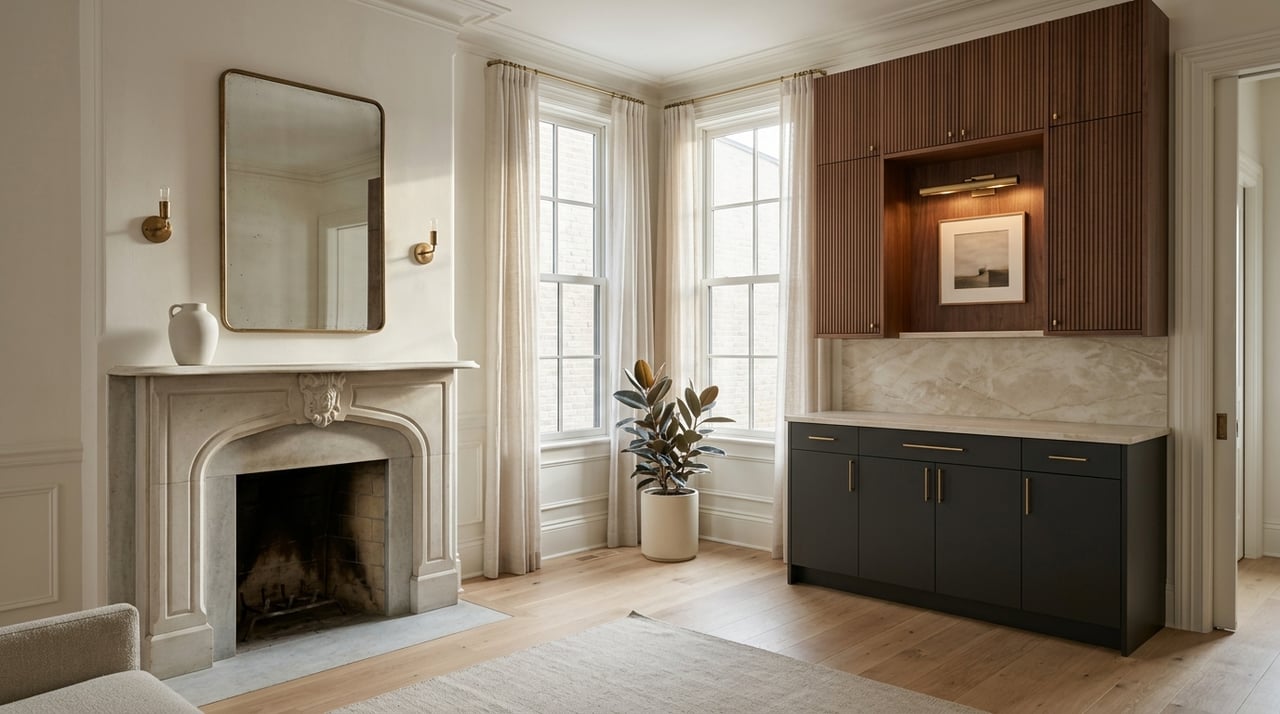
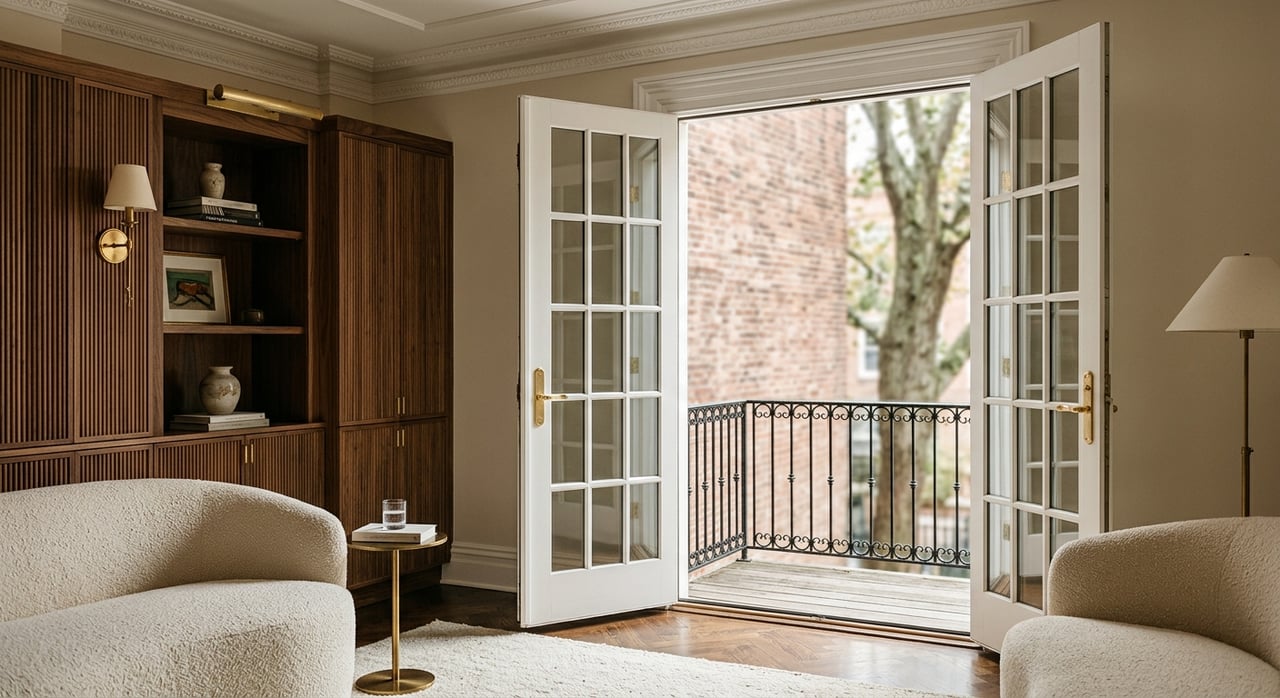
Thinking about listing your home in Chatham or Madison this year? In a high-demand market, the right prep can turn casual interest into strong offers and a smooth closing. This guide gives you a clear, local playbook to protect your equity and present your home at its best, from must-do repairs and smart updates to staging, pricing, and permits. Let’s dive in.
Know your Madison–Chatham market
Madison and Chatham sit in a premium Morris County corridor where buyers value turn-key presentation and good logistics. For context, Madison’s median sold price was about $1,092,500 in June 2025, according to a Rocket market report. You can review the local snapshot in the Madison market report. Chatham (Borough and Township) posts similarly high medians and often tight inventory in key price bands, so local comps matter at the street and neighborhood level.
Municipal taxes factor into buyers’ monthly budgets and can influence acceptable offers. Madison Borough’s municipal tax rate was shown around 2.130 in 2024 ratables; confirm current figures on the Morris County Board of Taxation page.
Timing and pricing work together
Early spring, roughly March to May, often draws the largest buyer pool in North Jersey suburbs. That can shorten days on market for well-prepared, well-priced homes. That said, a correctly priced and beautifully presented home can outperform seasonal averages any time of year. Focus on preparation and accurate pricing tied to recent local solds.
Start with repairs that protect your deal
Before you spend on design updates, protect your equity by removing deal-killers and friction points. Use this priority order.
1) Safety and function first
- Fix electrical hazards, active leaks, failing HVAC, structural issues, or water intrusion.
- These items can derail buyer financing and insurability. Repair before listing or disclose and price accordingly.
2) Code, permits, and municipal compliance
- Close any open permits and confirm whether a Certificate of Occupancy or Continued Occupancy applies for your sale.
- Madison sets CO procedures and shows a $100 fee for one- and two-family COs in its code. Review the borough’s building chapter in Madison’s eCode and verify current requirements with the building office.
3) High-impact, low-cost refreshes
- Fresh neutral paint, cleaned or replaced worn flooring, updated lighting and hardware.
- Declutter, deep clean, and tidy landscaping. These steps improve photos and reduce buyer objections.
4) Curb appeal fast wins
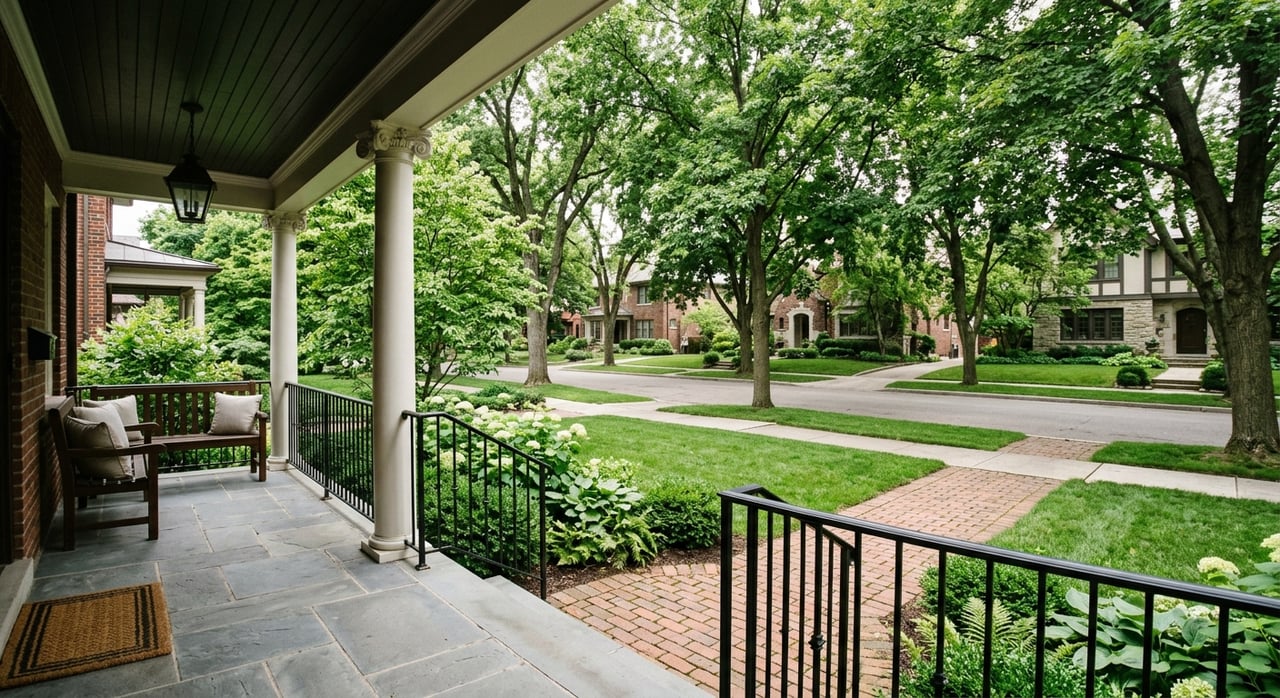
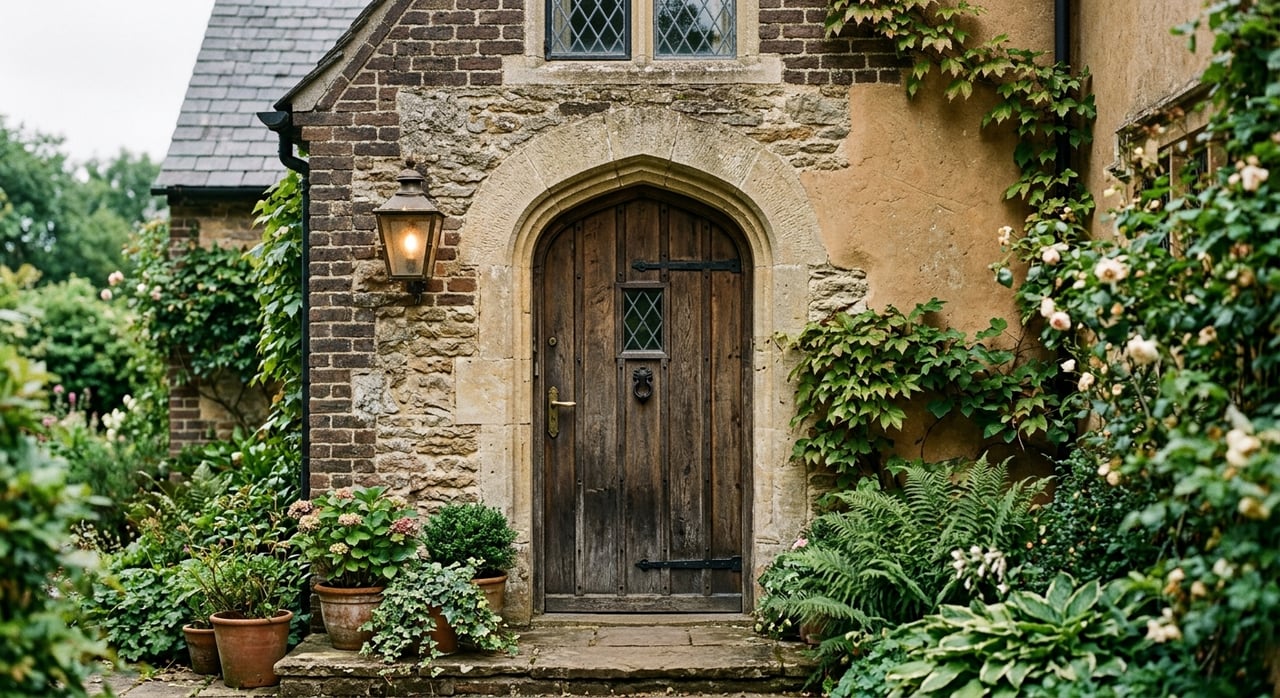
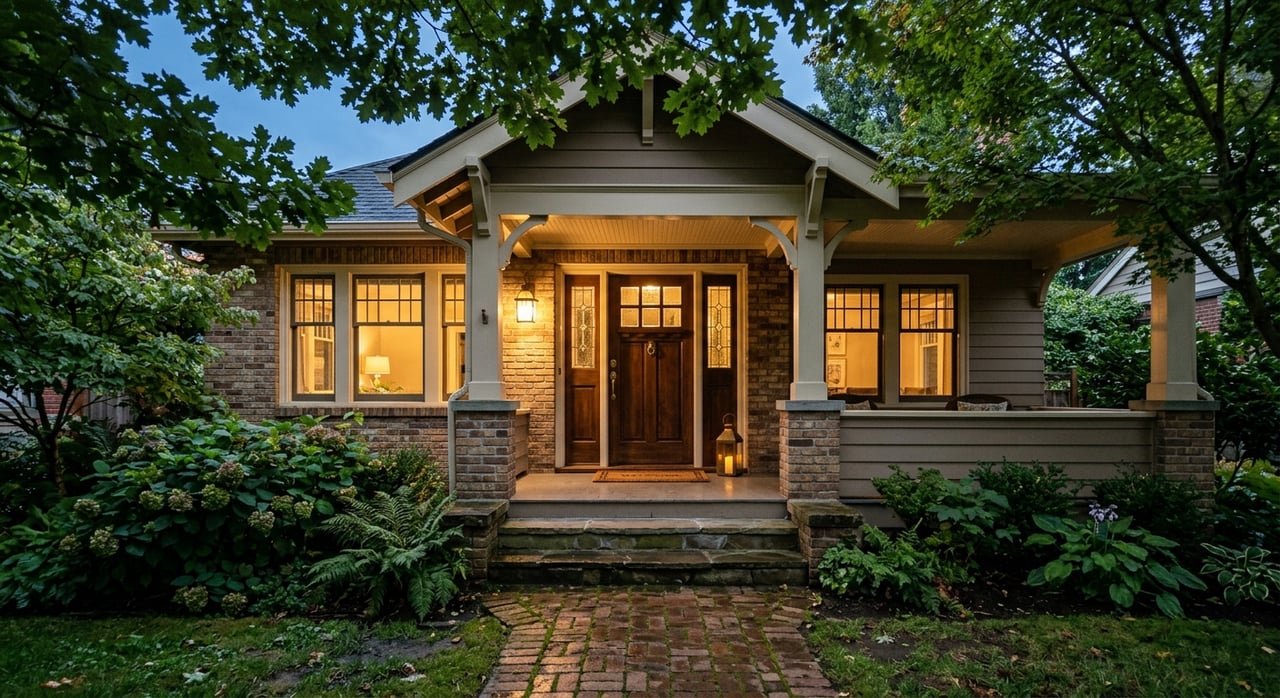
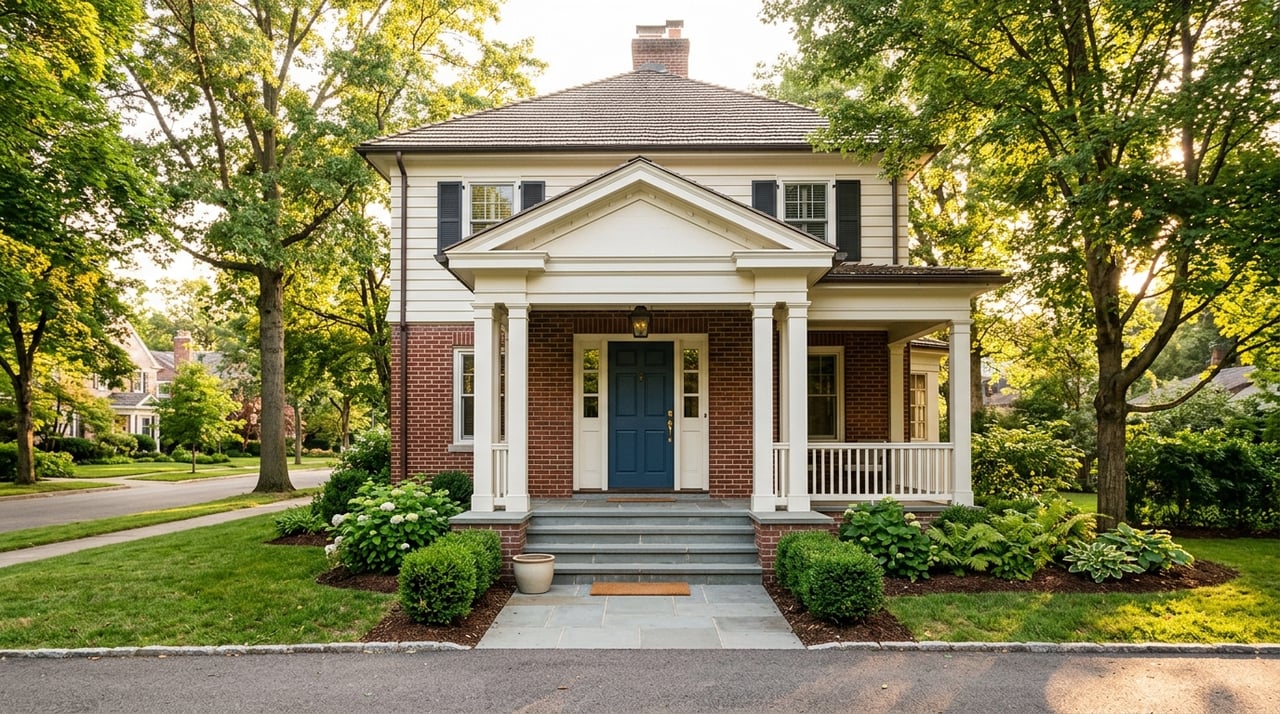
- New or painted front door, power-wash siding and walkway, refresh the garage door, update house numbers and mailbox, trim beds.
- National Cost vs. Value reporting shows exterior projects like garage doors and select siding among top resale recapture. Review the 2025 Cost vs. Value report for benchmarks.
5) Selective light renovations
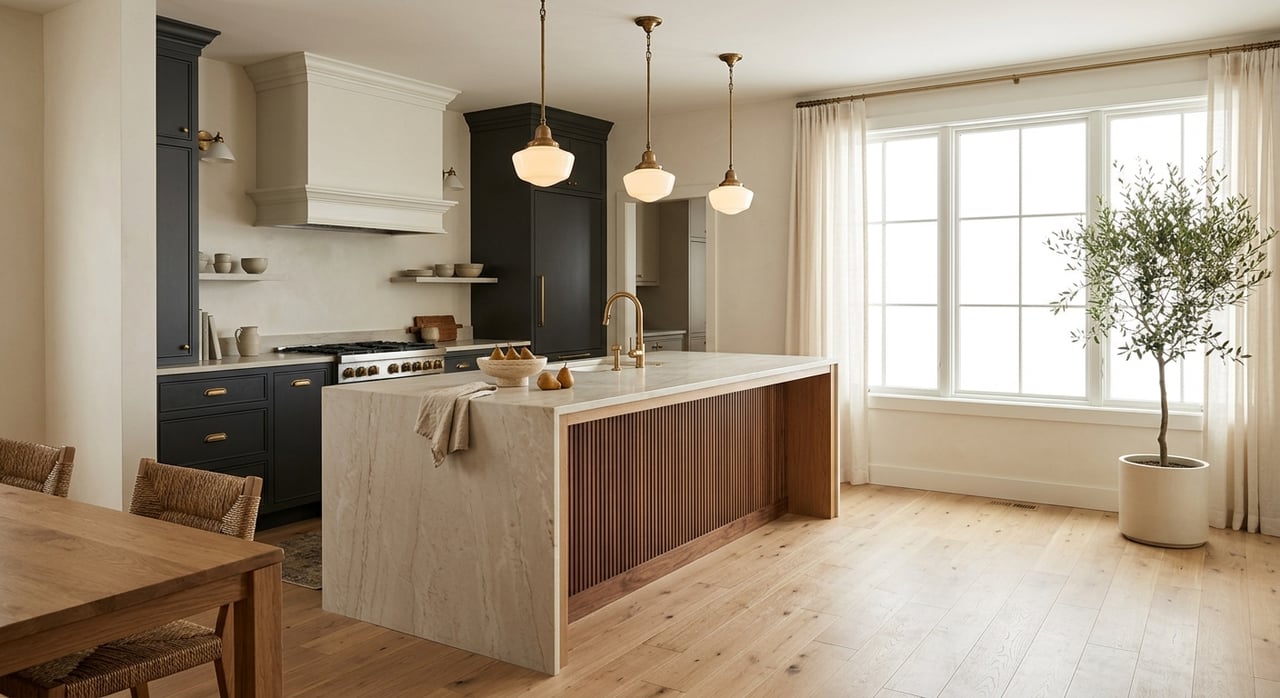
- Consider minor kitchen and bath refreshes: cabinet paint and hardware, a midrange countertop swap, new mirrors and lighting, and replacing visibly aged systems where buyers expect turn-key.
- Large gut remodels rarely recoup 100 percent at resale. Confirm current sold comps and inventory with your agent’s MLS before spending more than $10–15k on projects intended purely to increase sale price.
Staging that fits local Colonials and Capes
Why staging matters
Staging helps buyers visualize space and can reduce time on market. The National Association of Realtors’ 2025 Profile of Home Staging reports that agents often see faster sales and many report modest price lifts in staged listings, commonly in the 1 to 10 percent range. See the full findings in NAR’s 2025 Home Staging Profile.
Professional staging costs vary by home size and scope. You can keep costs low with a consultation and targeted rentals, or stage key rooms only. Virtual staging is a budget option for vacant spaces, while physical staging has the most impact at open houses.
Classic Colonial strategies
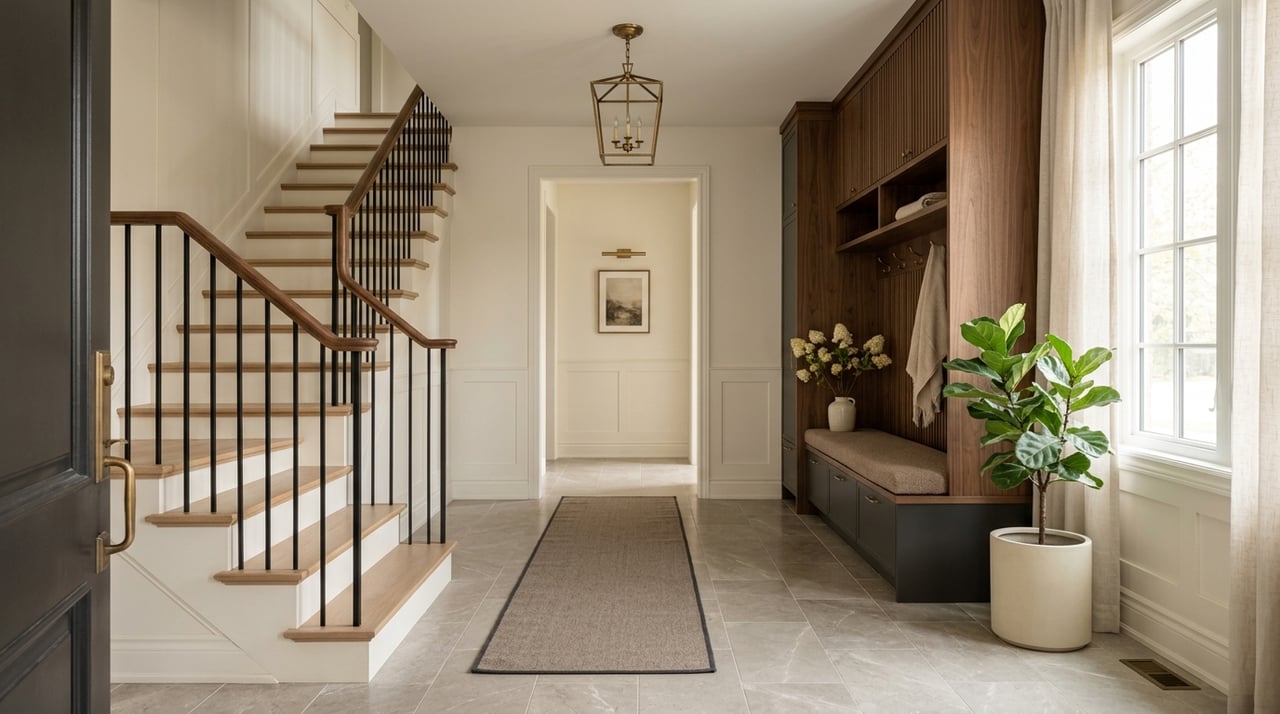
- Highlight the center-hall entry with clear sightlines and minimal clutter.
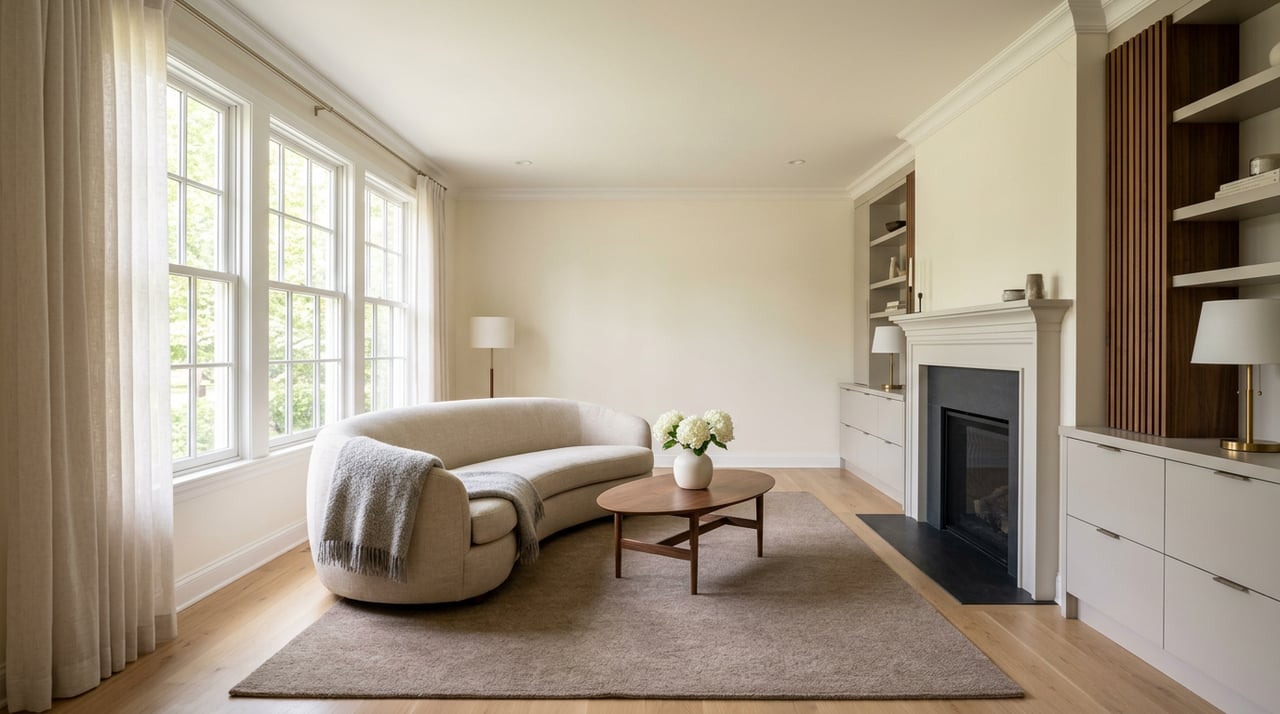
- Stage the living and dining rooms to show scale and flow for gatherings. NAR research consistently ranks the living room and primary bedroom as top-priority rooms to stage.
- In kitchens, edit countertops, improve lighting, and refresh hardware even if cabinets remain.
- Use neutral paint to let original moldings, mantels, and built-ins shine.
Cape Cod and 1.5-story strategies
- Maximize perceived space upstairs with low-profile furniture in dormered rooms and heavy decluttering.
- Brighten with simple window treatments and layered lighting.
- If expansion potential exists, share a dimensioned floor plan or a simple concept sketch to help buyers visualize solutions where permitted.
Photos, floor plans, and tours
Professional photos and a measured floor plan reliably increase online engagement. If budget allows, add a 3D tour to widen your buyer pool and keep interest high between showings. Pair your best hero images with staged rooms for maximum impact.
Permits, disclosures, and inspections you should plan for
Madison Borough steps
Madison enforces the State Uniform Construction Code through its Borough Building Official. The borough code outlines procedures and fees for Certificates of Occupancy, including a $100 CO fee for one- and two-family homes. Review the building construction chapter in Madison’s eCode and contact the building department to confirm whether a CO or a Certificate of Continued Occupancy applies for your sale and what inspections are required.
Chatham Borough timeline
Chatham Borough routes building permit processing and subcode inspections through the Madison Building Department. Final inspections and CCO issuance require closed permits and current utilities. The borough notes CCO application processing typically takes about two to three weeks from submission, not including scheduling. Review the checklist and forms on Chatham’s construction page, and build this timing into your prep plan.
Required New Jersey disclosures
- Flood risk disclosure: New Jersey’s P.L. 2023, c.93 requires sellers to disclose flood risk details, including FEMA designation and any claims or history. Review the summary and forms guidance on NJ Realtors’ flood disclosures page. The requirement took effect March 20, 2024.
- Seller’s Property Condition Disclosure: Use the current NJAR Form 140. You can access the latest version through NJ Realtors’ ZipForm page.
- Lead-based paint: For homes built before 1978, federal law requires a lead warning statement, disclosure of known hazards, and delivery of the EPA/HUD pamphlet before contract. Read the EPA’s overview of the Lead-Based Paint Disclosure Rule.
Pre-listing inspection benefits
A pre-listing inspection can surface safety or code issues early, help you price accurately, and reduce post-offer renegotiations. Budget roughly $300 to $700 for a basic single-family inspection, depending on size and age. If the report reveals bigger items, decide whether to repair, disclose and price accordingly, or offer a buyer credit.
Price, presentation, and launch timing
Start with a hyper-local CMA that isolates your home’s price band and buyer pool by street, square footage, condition, and lot. In bands with tight inventory, small cosmetic fixes and strong staging can help you capture the top of the range. For unique or luxury properties, targeted improvements may be necessary to meet buyer expectations. Seasonality can help in spring, but correct pricing tied to recent solds and compelling presentation matter more year-round.
Your 90-day prep timeline
Use this as a planning guide, then tailor it to your property and municipal steps.
- 8 to 12 weeks out: Schedule a pre-listing inspection. Gather utility bills, service records, manuals, and any permit history. Get bids for required repairs and plan your budget.
- 6 to 8 weeks: Complete safety, roofing, mechanical, or code repairs. Close permits and request final sign-offs as needed. If your sale requires a CO or CCO, confirm next steps with the borough.
- 3 to 4 weeks: Tackle cosmetic work such as paint, hardware swaps, lighting, and landscaping. Finalize your staging plan and rental needs. Book photography for the week staging completes. NAR research highlights living rooms and primary bedrooms as staging priorities, so focus there first.
- 1 to 2 weeks: Deep clean, complete staging setup, and capture professional photos, floor plan, and any 3D tour. Prep listing copy, feature sheets, showing instructions, and lockbox.
- Final week and launch: Confirm utilities are on and access is smooth. Post your best visuals, price based on the latest comps, and align your first open house with peak weekend traffic. In Chatham, remember CCO processing can take two to three weeks from application; plan buffers so you can close on time.
Vendor coordination made simple
Most sellers need a handful of trusted pros to move quickly and avoid rework. Plan for these categories:
- General contractor or handyman
- Roofer and gutter contractor
- HVAC technician
- Licensed electrician and plumber
- Licensed lead-safe renovator for pre-1978 paint disturbance
- Landscaper or lawn service
- Professional stager and rental vendor
- Professional cleaner and carpet cleaner
- Real estate photographer who can deliver floor plans and 3D tours
Designate a single point of contact to schedule trades, confirm permit closures, and keep the calendar tight. Batch exterior and landscape work before photos, then complete paint and flooring before staging and the final clean. Add time buffers for municipal inspections and, in Chatham, CCO processing.
Ready for a plan tailored to your block, house type, and timing? Our concierge approach pairs design-forward prep with disciplined execution so you list with confidence and close without drama. Connect with Mumoli Real Estate Inc. to Request Your Home Valuation & Concierge Plan.
FAQs
What repairs should I do before listing my Madison home?
- Fix safety and function items first, close permits, then focus on high-impact refreshes like paint, lighting, and curb appeal to improve photos and reduce buyer objections.
Do I need a CO or CCO to sell in Madison or Chatham?
- Madison’s code outlines CO procedures and fees, while Chatham Borough uses Madison’s building department and notes a 2 to 3 week CCO processing window. Confirm current steps with each borough before listing.
How much does professional staging cost in Morris County?
- Costs vary by size and scope, from a lower-cost consultation to several thousand dollars for full-home staging. Many sellers stage key rooms, and virtual staging can help for vacant spaces.
When is the best time to list in Chatham or Madison?
- Spring often brings more buyers, but correct pricing and strong presentation matter more than the month. A well-prepared, well-priced home can perform in any season.
Should I renovate my kitchen before selling?
- Consider a minor refresh with paint, hardware, lighting, and possibly a countertop swap rather than a full gut. Compare costs to your neighborhood’s price ceiling and recent sold comps before investing.
What disclosures do New Jersey sellers need to provide?
- Complete the NJ Seller’s Property Condition Disclosure (Form 140), follow New Jersey’s flood disclosure law, and provide federal lead-based paint disclosures for homes built before 1978.