Choosing Between Jersey City Heights vs Downtown
February 19, 2026
February 19, 2026
Trying to choose between Jersey City Heights and Downtown? You are not alone. Both offer great food, parks, and a strong sense of place, but the day-to-day feels different. If you want the shortest Manhattan commute and condo convenience, Downtown often wins. If you want more space, porches, and a relaxed neighborhood vibe, the Heights deserves a close look. In this guide, you will compare lifestyle, commute, housing types, price-to-size trade-offs, and near-term development so you can match your budget and routine to the right fit. Let’s dive in.
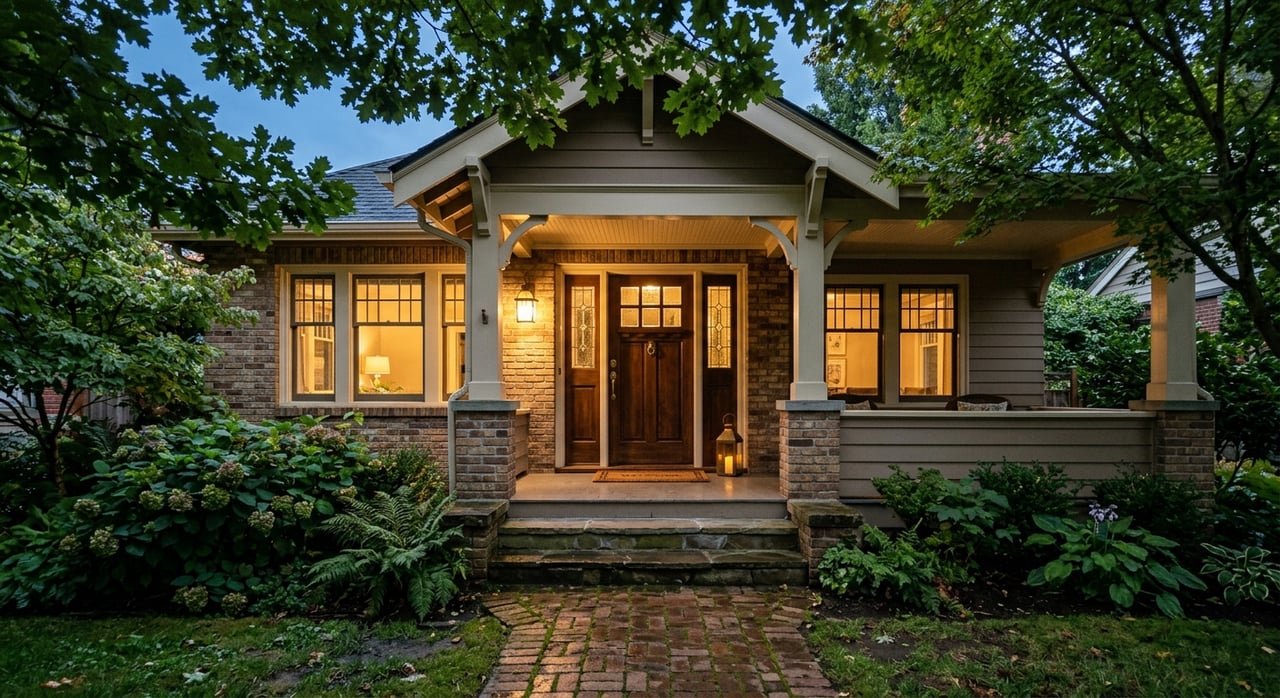
The Heights feels like a small town within the city. Central Avenue is the neighborhood’s shopping and dining spine, and Pershing Field and Riverview-Fisk Park offer green space and skyline views. Housing is largely low-rise, which supports a calmer street rhythm and front-porch life. If you like local businesses and a community feel, this area fits well with that pace.
Downtown is transit-forward and lively. Newark Avenue near Grove Street is a major dining and nightlife corridor, and the waterfront promenade connects you to views and open space. Historic brownstone squares like Hamilton Park and Van Vorst Park sit near modern high-rises on the Hudson. If you want walkable errands and quick PATH access, Downtown will feel effortless.
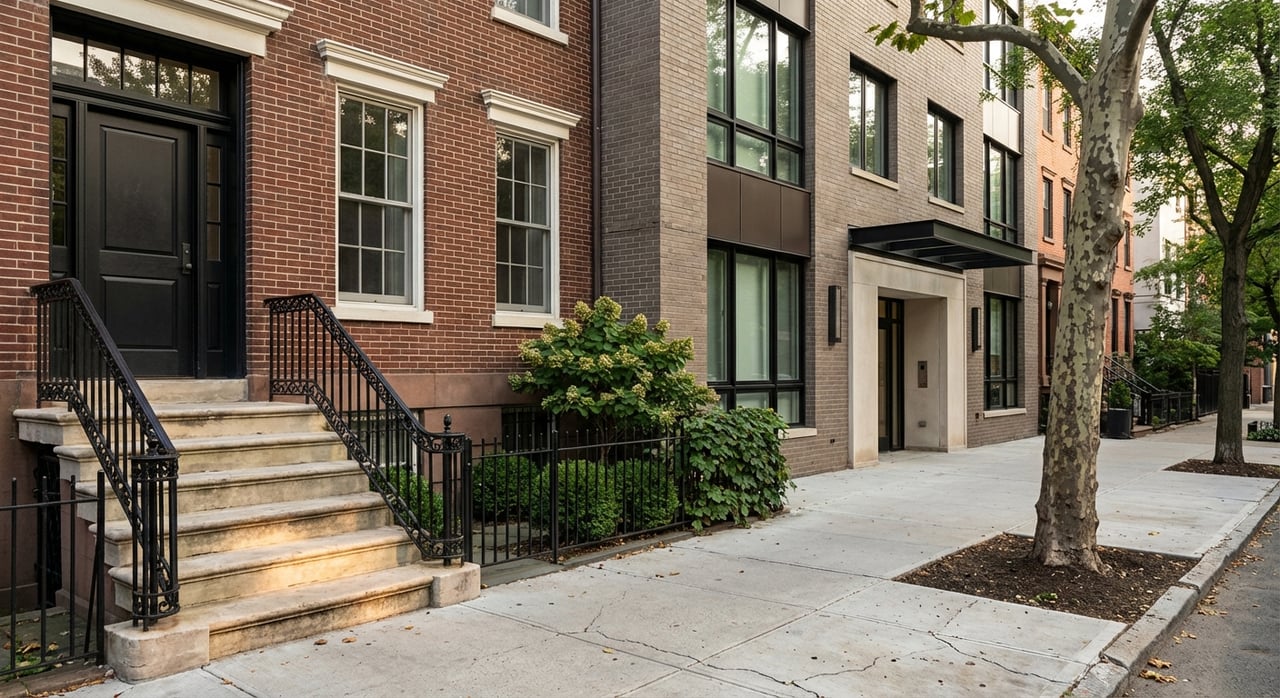
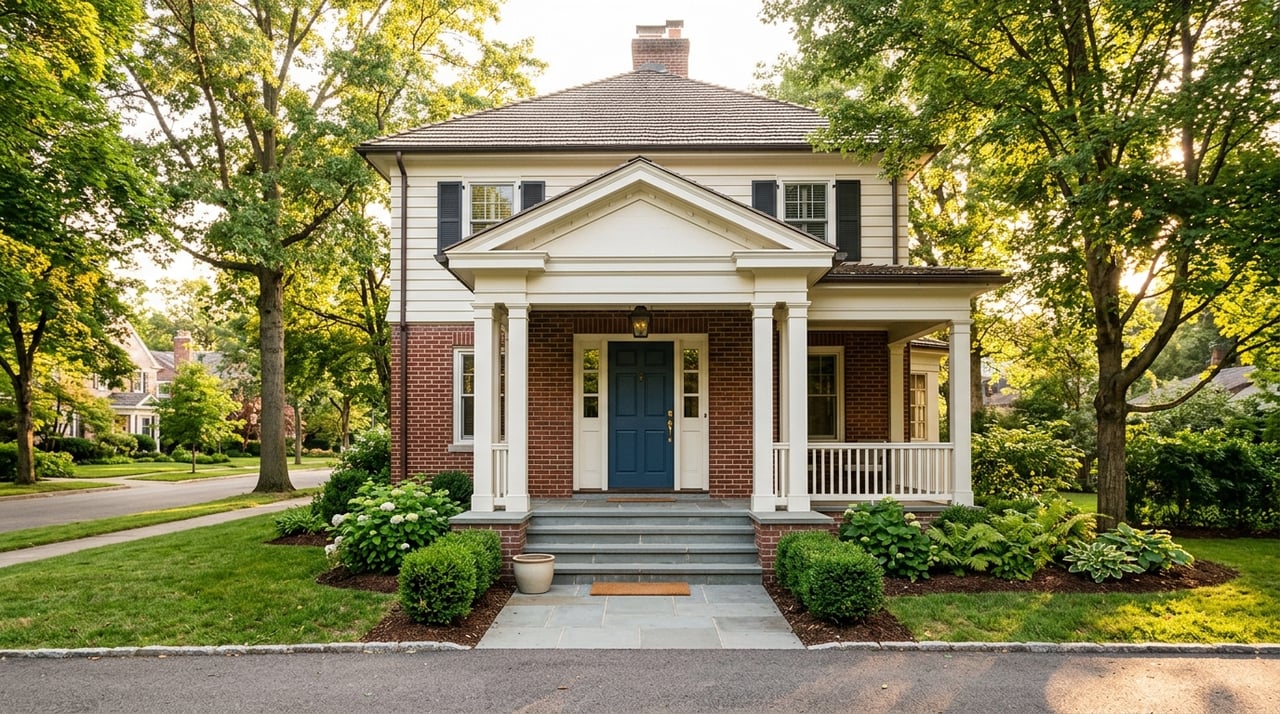
In the Heights, you see Victorian and Edwardian row and single-family houses, two- and three-family masonry buildings, and small condo buildings, especially around Central and Summit Avenues. Many streets feature preserved historic homes, with Summit and Sherman Place known for notable examples. The lower-rise pattern supports larger floor plans and often some outdoor space.
Downtown blends historic and modern. West of the waterfront, brownstone townhomes and conversions line blocks around park squares. On the waterfront, you find a large inventory of modern high-rise condos and apartments. The Powerhouse Arts District adds industrial conversions and new mixed-use buildings, which broadens the range of layouts and amenity sets.
Multiple PATH stations serve Downtown, including Grove Street, Newport, and Exchange Place. PATH runs 24/7 and offers direct service to the World Trade Center and to Midtown via the 33rd Street line. For many Downtown addresses, you can reach Lower Manhattan in roughly 10 to 20 minutes door to door, depending on your exact start and end points and walking time. Review PATH service and maps and note that typical Downtown-to-WTC travel can be around 10 to 20 minutes.
There is no PATH station on the Heights ridge itself. Most residents bus, bike, or rideshare to Journal Square or Grove Street, or use the Congress Street elevator to connect to the Hudson-Bergen Light Rail and Hoboken. That first-mile leg often adds about 10 to 25 minutes before you board a PATH train. Expect common door-to-door times in the 40 to 60 minute range for Midtown or Lower Manhattan, depending on your route, timing, and transfers. Learn more about the local elevator and light-rail connection from Congress Street, and check the PATH timetable when planning.
Ferries from Paulus Hook and Harborside offer direct routes to Lower Manhattan, including Pier 11 and Brookfield Place. Some riders prefer the ferry for comfort or a more direct landing near their office. Review NY Waterway routes and schedules to test your exact commute. As always, PATH and ferries can be affected by maintenance or weather, so check advisories before you set a routine.
As of early 2026, large real estate aggregators report that typical prices vary by submarket and product type. Expect change month to month, but the general mapping below holds in most cases.
Practical mapping by budget range:
Price depends on condition, amenities, HOA fees, parking, and exact location. Waterfront properties may carry flood insurance requirements. Always verify the FEMA flood zone for a specific address using the FEMA Map Service Center.
Jersey City adopted a Central Avenue redevelopment plan that targets a public parking deck, open plaza space, and mixed-use buildings up to five stories, consistent with the neighborhood’s scale. Expect staged public works and private infill along Central Avenue as projects move forward. You can read more about the plan and its goals for small-business vitality and parking in local reporting on the Central Avenue redevelopment plan.
Downtown continues to see major activity in and around the Powerhouse Arts District and the waterfront. Recent Toll Brothers condominium phases and approvals for large mixed-use towers add new condo inventory and street-level retail. This pipeline can ease some pricing pressure over time, while also increasing density and construction. For a sense of scale and timing, review news on a recent Toll Brothers condo tower debut in Jersey City.
Use this quick checklist to map your must-haves.
Choose Downtown if you want a fast Manhattan commute, dense walkability, and a wide mix of condo options. Choose the Heights if you value more space, a neighborhood main street, and parks with skyline views, and you are comfortable adding a first-mile step to your commute. Both areas offer strong quality of life and distinct character, so your routine and budget should guide the call.
If you want a clear plan tailored to your commute, budget, and timeline, reach out. We will map real-time listings to your priorities, explain HOA versus homeowner costs, and preview blocks that match your vibe. Start your search with a calm, concierge partner at Mumoli Real Estate Inc..
Stay up to date on the latest real estate trends.

Private real estate advisory for New Jersey’s most discerning clients. Specializing in luxury homes, new developments, and condo conversions across Jersey City, Hoboken, Weehawken, and the NJ Suburbs.