Is that charming porch a Victorian hallmark or a Craftsman signature? In Montclair and nearby Glen Ridge, you see stunning homes from every era, which makes choosing the right one exciting and a little overwhelming. You want character, comfort, and smart long-term value. This guide helps you recognize the most common local styles, anticipate maintenance, and plan renovations that fit Montclair’s historic context. Let’s dive in.
Why Montclair looks the way it does
Much of Montclair and Glen Ridge was built before World War II, so you find blocks of intact historic fabric. Many homes still showcase original wood trim, masonry, slate or shingle roofs, and deep porches set on tree-lined lots. That charm is a major draw for buyers who value character and craftsmanship.
Both municipalities have local historic preservation processes. If the home is in a designated district or is an individually recognized resource, exterior changes often require review and approval. Interior work is typically not regulated. Before you budget for new roofing, porch alterations, dormers, or siding, confirm permit needs and preservation rules with the local building and historic offices.
Finally, expect older-home realities. Deferred maintenance, outdated mechanicals, and energy upgrades are common considerations. With the right plan and team, you can balance preservation with comfort, efficiency, and code compliance.
The five major styles you will see
Victorian and Queen Anne
- Visual cues: Asymmetrical facades, steep and complex roofs, turrets or bay windows, wraparound porches with decorative posts, patterned wood shingles, stained or leaded glass.
- Layout: Formal and compartmentalized with parlors, dining rooms, and studies. High ceilings, narrow halls, ornate woodwork, and several smaller bedrooms are common.
- Upkeep: Painted wood clapboard and trim need regular maintenance. Original sash windows may need repair or reweighting. Older plumbing and electrical systems can show up, and very old homes may have settling or foundation issues.
- Renovation: Strong potential for buyers who love period details. Opening walls for a modern flow is doable but often requires structural work to remove load-bearing partitions, plus careful integration with original trim and millwork. Exterior work can trigger historic review.
- Value: Well-maintained Victorians with intact details are highly marketable in historic neighborhoods. Preserving original fabric typically boosts appeal and long-term value.
Tudor Revival
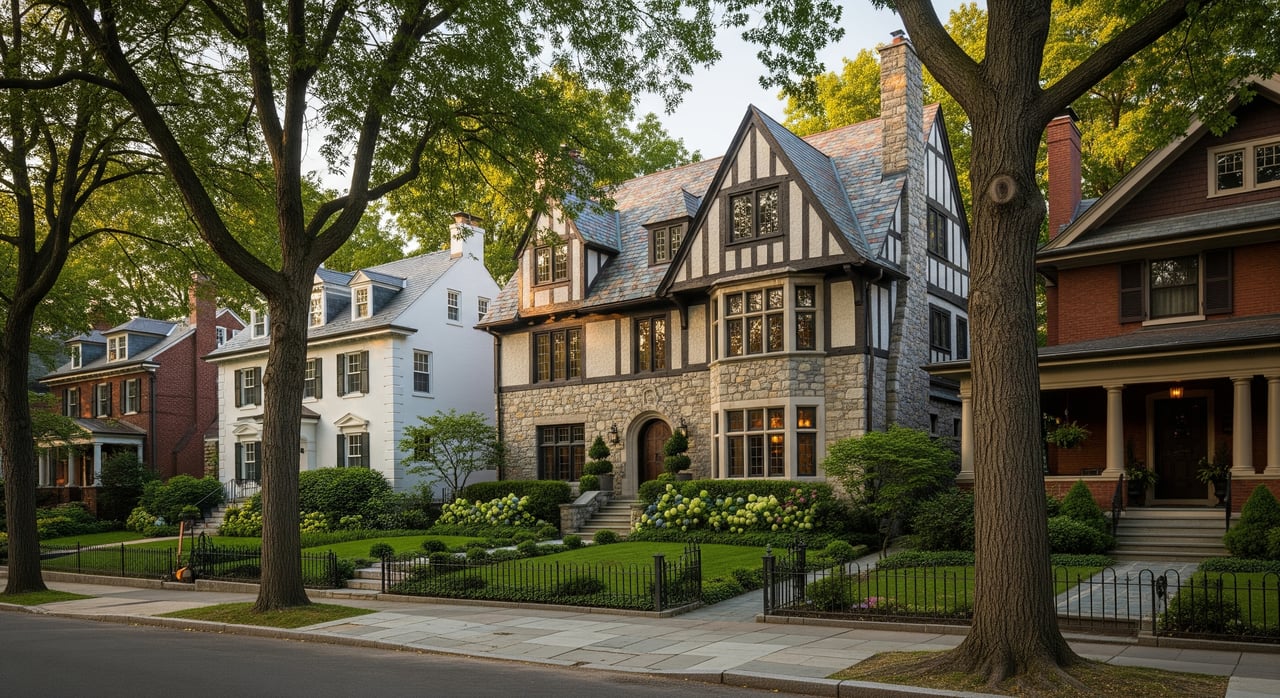
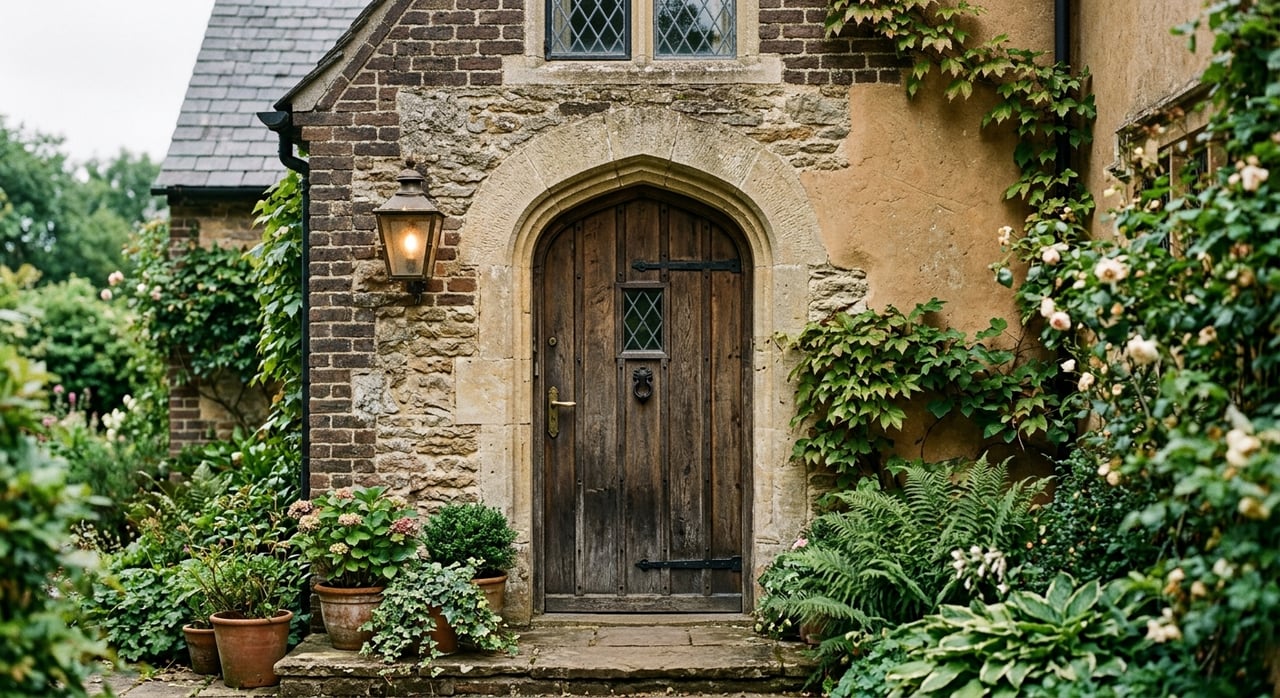
- Visual cues: Steep cross gables, decorative half-timbering with stucco, brick or stone base walls, tall narrow windows with leaded or diamond panes, large masonry chimneys, arched entries.
- Layout: More compartmentalized with cozy rooms and fireplaces as focal points. Exposed beams appear in some interiors.
- Upkeep: Masonry and mortar repair is common. Stucco and half-timber transitions can be moisture-prone if neglected. Custom windows and leaded glass are beautiful but pricey to repair. Chimney and venting issues are common in older Tudors.
- Renovation: Matching exterior materials and details can be expensive, and large new openings on half-timbered elevations can look out of place and may trigger review. Interiors can be reconfigured with thoughtful design.
- Value: Tudors with solid masonry, handsome chimneys, and compatible updates attract buyers for their storybook aesthetic. Authenticity plus sensitive modernization support resale strength.
Colonial Revival (including center-hall and Georgian influences)
- Visual cues: Symmetrical facades with a central entry, classical surrounds with pilasters or a pediment, multi-pane double-hung windows, gabled roofs, brick or clapboard siding.
- Layout: Center-hall plans dominate, with formal living and dining rooms flanking the entry and bedrooms upstairs. The regular geometry often makes updates more straightforward than in Victorians.
- Upkeep: Brick Colonials may need repointing and masonry care. Wood siding and trim require painting. Original single-pane windows and insulation can be energy-inefficient.
- Renovation: Good adaptability. You can often combine adjacent rooms or add modest bump-outs. Exterior alterations are usually easier to match than highly ornamental styles.
- Value: Colonial Revival homes have broad appeal, balancing traditional curb appeal with flexible interiors. They tend to hold value well in suburban historic districts.
Craftsman and Bungalow
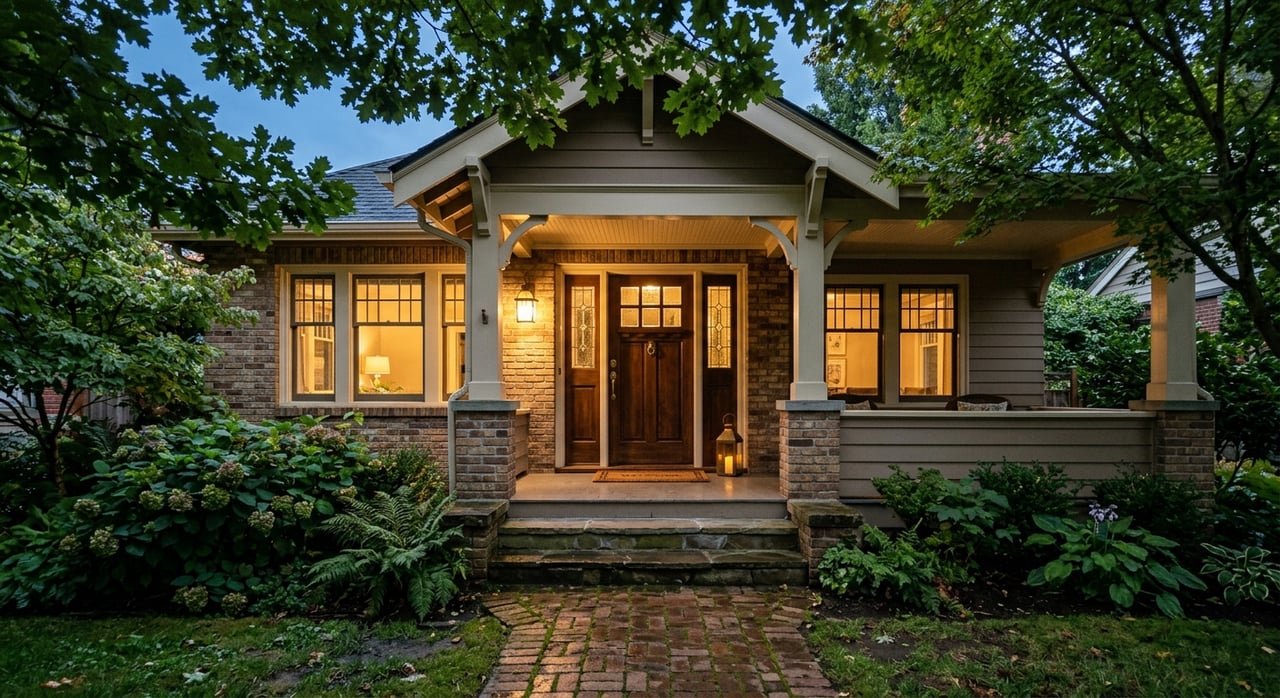
- Visual cues: Low-pitched gables with wide eaves and exposed rafters, tapered porch columns on pedestals, natural wood and stone details, one to one-and-a-half stories for bungalows and modest two-stories for larger Craftsman homes.
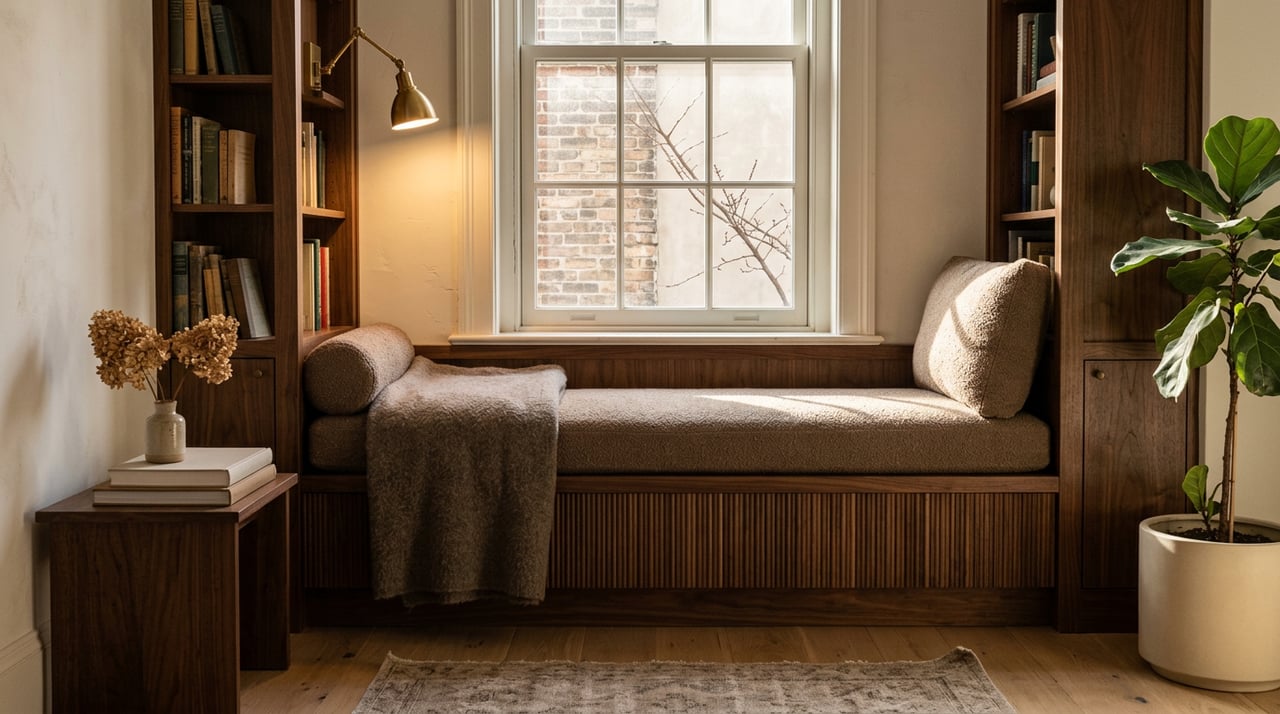
- Layout: Semi-open living and dining spaces with efficient circulation. Built-ins, window seats, and wood paneling appear often. Bedrooms can be smaller.
- Upkeep: Porches and wide roof eaves need consistent inspection. Wood trim and built-ins may need restoration. Original electrical systems are sometimes outdated.
- Renovation: Interiors already align with modern living. Preserving built-ins and woodwork pays off. Adding upper-level space is possible when rooflines and structure allow, but design sensitivity is key.
- Value: Craftsman details are sought after by design-minded buyers. Keeping original millwork and built-ins tends to elevate long-term value.
Mid-century (Ranch, Split-level, and Modernist influences)
- Visual cues: Horizontal massing for ranches, large picture windows, low-pitched roofs, attached garages or carports, and in some cases clerestory or floor-to-ceiling glass.
- Layout: Open living, dining, and kitchen relationships are common. Ranches offer single-level living, while split-levels use staggered floors to separate zones.
- Upkeep: Original windows and insulation may be inefficient. Low-slope or flat roofs can require focused maintenance or replacement. Some materials from this era may contain hazards such as asbestos.
- Renovation: Excellent for buyers who value open plans. Kitchen and bath updates deliver strong impact. Adding full second stories tends to be costly, while upgrading glazing to higher-performance units that preserve sightlines is a common retrofit.
- Value: Thoughtfully updated mid-century homes do well with buyers who love modern flow. In areas dominated by pre-war styles, they may command slightly different premiums but remain very desirable when improved sympathetically.
Older home systems and inspections that matter
A strong due diligence plan protects your budget and timeline. For Montclair and Glen Ridge, prioritize these inspections and evaluations:
- General home inspection for structure, roof, and visible conditions
- Electrical evaluation for knob-and-tube, undersized service, or outdated fuse boxes
- Plumbing inspection for cast-iron or galvanized piping and sewer lateral condition
- HVAC assessment for aging boilers, steam systems, and radiators, plus retrofit options such as high-efficiency boilers or ductless heat pumps
- Chimney and fireplace inspection for masonry and liners
- Pest and termite inspection, including sill plates and framing
- Moisture and mold checks in basements and attics
- Lead-based paint and asbestos surveys when work will disturb old paint or materials
Also plan for rules that apply to many older homes:
- The EPA Renovation, Repair and Painting Rule requires certified practices when disturbing paint in pre-1978 homes.
- Asbestos in older insulation, pipe wraps, or floor tiles must be handled with proper abatement.
- If the home is in a local historic district, exterior work may require a Certificate of Appropriateness and adherence to design guidelines.
Renovation potential and value in Montclair
Your best long-term results usually come from preserving character while modernizing for comfort and efficiency. Porches, original windows, millwork, and fireplaces are character-defining features that support value in historic neighborhoods. Kitchens, baths, systems, and energy upgrades deliver comfort without erasing the home’s story.
Consider the scope by style:
- Victorian: Opening floor plans can be moderate to high difficulty due to load-bearing walls. Exterior restoration is higher effort when replicating intricate trim and ornament.
- Tudor: Matching masonry and stucco is detail-intensive. Keep the chimney and roofline logic intact when possible.
- Colonial Revival: Often the most straightforward to modify. Center-hall plans handle room combinations and mild expansions well.
- Craftsman: Preserve built-ins and woodwork. Many internal updates integrate smoothly.
- Mid-century: Focus on kitchen and bath upgrades, insulation, and window performance while preserving open sightlines.
Financing and incentives can help you plan the work:
- Renovation loans such as FHA 203(k) or Fannie Mae HomeStyle can allow you to roll upgrades into your purchase, depending on lender and property condition.
- Federal historic rehabilitation tax credits generally apply to income-producing properties. State-level incentives vary, so check New Jersey resources for current programs that may apply to owner-occupied homes.
Value-wise, historically sensitive restorations combined with energy improvements often recoup a substantial share of costs in neighborhoods that prize original fabric. Avoid over-improving beyond local comparables. The best results align your budget, design, and scope with the surrounding market.
Buyer checklist for Montclair and Glen Ridge
Before you make an offer:
- Confirm if the property is in a municipal or National Register historic district
- Ask for seller disclosures on lead paint, asbestos, knob-and-tube wiring, structural work, and major system replacements
- Budget for specialized inspections, such as chimney, masonry, or a sewer camera scope
During planning and design:
- Hire a contractor experienced in historic homes and period materials
- Consider a preservation architect or architectural historian for exterior changes or notable features
- Consult Montclair’s or Glen Ridge’s building and historic offices early for permits and approvals
- Prioritize energy retrofits that respect historic fabric, such as attic and basement insulation, interior storm windows, and efficient HVAC with minimal visual impact
People and resources to engage:
- Montclair Township Historic Preservation Commission and Planning Department
- Glen Ridge municipal planning and historic resources
- New Jersey Historic Preservation Office for state guidance and potential incentives
- Local preservation groups and historical societies for contractor referrals and precedents
- Licensed home inspectors and specialized trades, including masonry, roofing, and historic window restoration
Quick decision checklist during showings:
- Is the home subject to historic review for exterior changes?
- Are there known hazards such as lead paint or asbestos that will affect scope and cost?
- What is the condition of the roof, foundation, and major systems?
- How intact are original features that support value?
- Is your modernization plan structurally feasible and likely to be permitted?
Ready to explore Montclair styles?
If you love the character of Montclair and Glen Ridge but want clarity on upkeep, approvals, and smart updates, you are not alone. Our team coordinates inspections, scopes renovations that respect the architecture, and connects you with vetted pros so you can buy with confidence. To get a tailored plan for your search or your next move, connect with Mumoli Real Estate Inc..
FAQs
What makes many Montclair homes “historic”?
- Much of the housing stock was built before World War II and retains original woodwork, masonry, and porches. Many areas also have local historic districts where exterior changes may require review.
How hard is it to open a Victorian floor plan?
- It is feasible but often moderate to high difficulty due to load-bearing walls and the goal of preserving trim. Expect structural design, careful integration of moldings, and possible exterior review if changes are visible.
Are original windows a deal-breaker?
- Not necessarily. Restoring original sash can preserve character and be cost-effective. Replacement can improve efficiency, but in historic areas it should respect sightlines and muntin patterns.
What inspections should I prioritize for a 1920s Tudor?
- In addition to a general inspection, focus on masonry and chimney, electrical capacity, plumbing and sewer lateral, HVAC condition, moisture checks, and lead or asbestos surveys if you plan renovations.
Can I use renovation loans for a Montclair fixer-upper?
- Yes, options such as FHA 203(k) or Fannie Mae HomeStyle may allow you to finance improvements with your mortgage, subject to lender requirements and property condition.
How do style and preservation affect resale value?
- Homes that retain character-defining features and receive compatible updates typically attract stronger buyer demand. Sensitively modernized interiors paired with preserved exteriors tend to support long-term value.