Montclair vs Glen Ridge Homes: How to Choose Your Best Fit
March 5, 2026
March 5, 2026
Choosing between Montclair and Glen Ridge can feel like comparing two great versions of suburban living on the same train line. You want the right fit for your lifestyle, budget, and commute, and you do not want to guess. In this guide, you will see clear, side-by-side differences in homes, schools, commute options, amenities, and taxes so you can move forward with confidence. Let’s dive in.
Montclair is a larger, diverse township of about 41,000 residents with multiple walkable downtowns and distinct neighborhoods. By contrast, Glen Ridge is a compact borough of around 7–8k residents with a tight village feel and uniformly residential streets. You will notice the difference in energy, scale, and daily pace as soon as you visit. For population context, review the latest U.S. Census snapshot for Montclair.
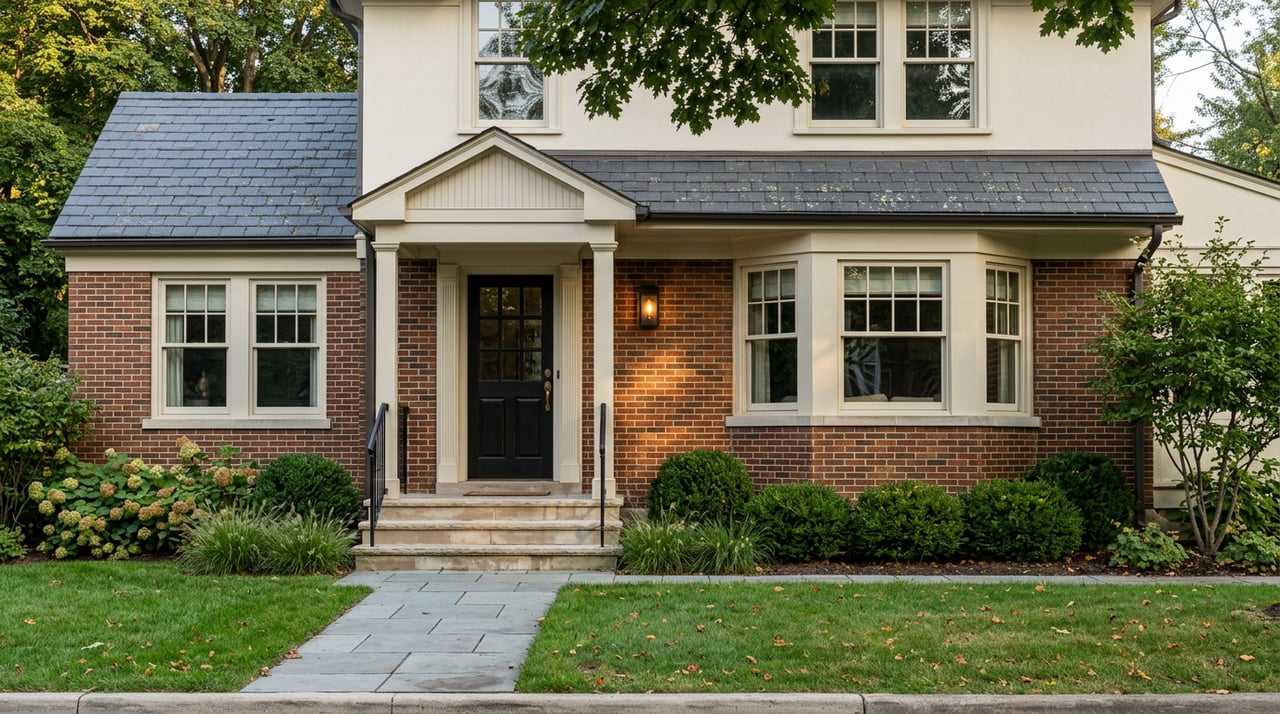
Montclair offers a wide spectrum of homes, from condos and multi-family buildings to historic single-family and upper-end properties. Price points vary by neighborhood and even by zip code, with 07042 historically showing higher medians, at times near the $1.4–$1.5 million range, while other areas trade lower. Glen Ridge has mostly older single-family homes and limited condo inventory, with typical home values clustered around the low $1 million range, and low supply often makes competition tight.
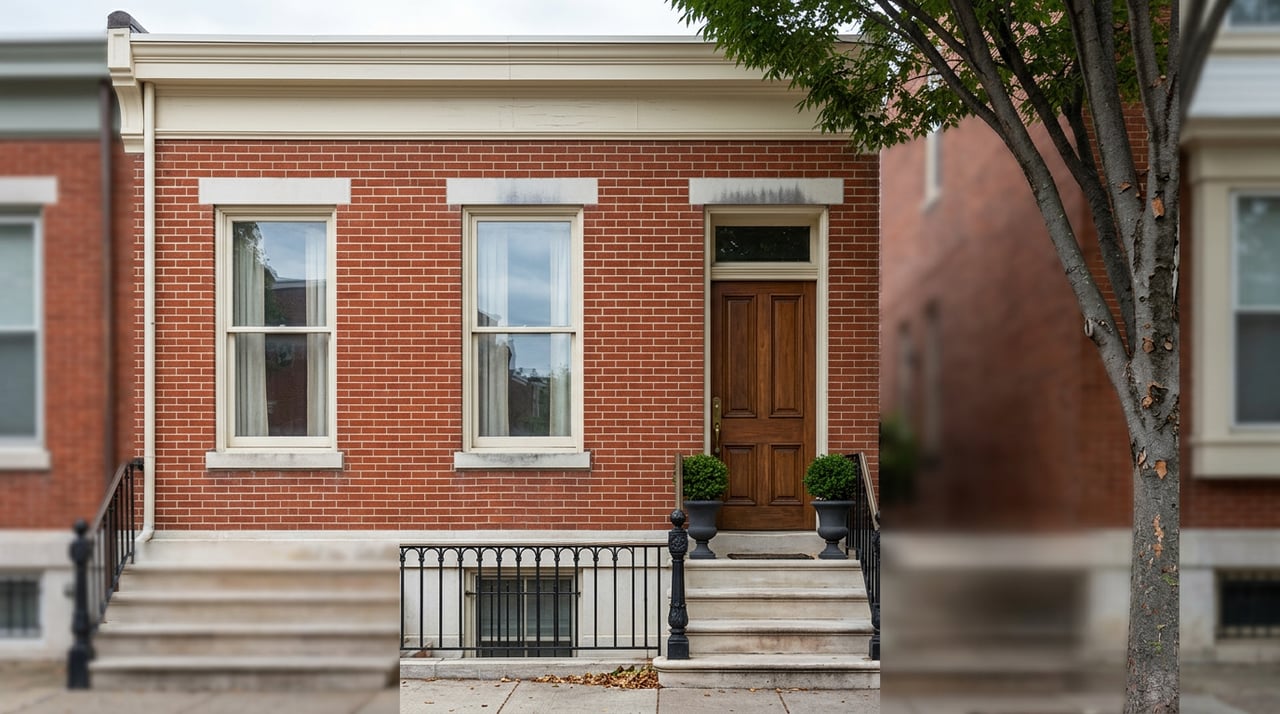
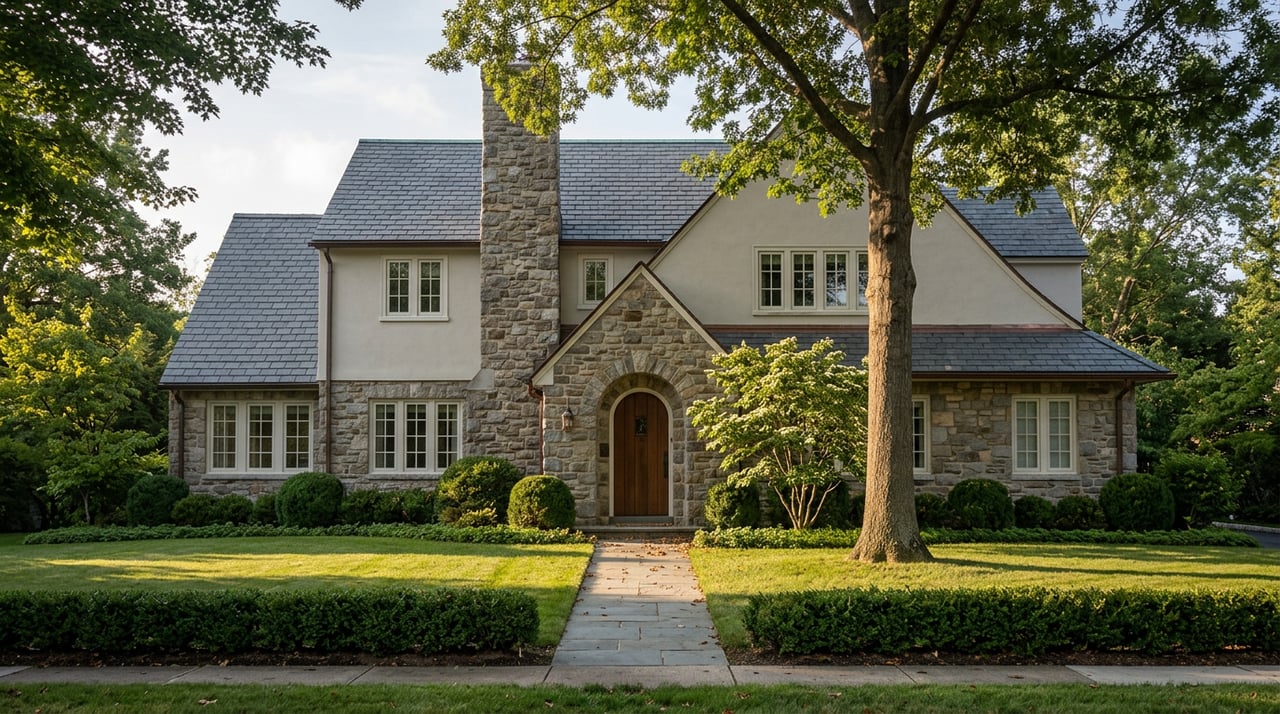
In Montclair, you will find Victorians, Tudor and Colonial homes from the early 1900s, midcentury single-family, townhouses, garden-style condos, and selective newer infill. Upper Montclair offers larger properties, while areas near Bay Street and Walnut Street provide more attached homes and condos close to transit and dining. The mix creates more entry points for buyers, and it also explains why prices can differ dramatically block to block.
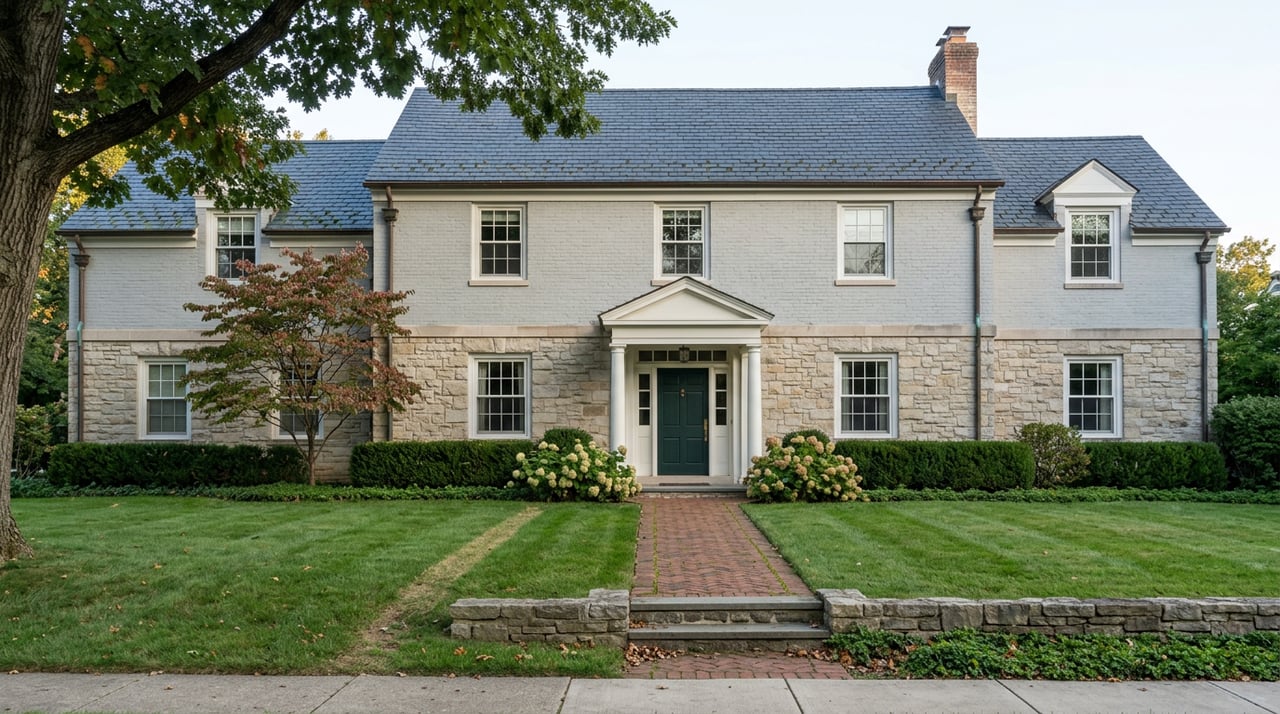
Glen Ridge’s 1.5-square-mile footprint is primarily single-family on quiet, tree-lined streets with preserved historic character and signature gaslights. The commercial core is modest, and new construction is limited, which keeps the housing stock consistent and inventory lean. Learn more about the borough’s character from the official Glen Ridge overview.
Montclair Public Schools is a larger district with multiple elementary choices, magnet themes, and a single high school serving the township. Programs such as Edgemont Montessori attract families who value specific learning models. Outcomes vary school by school, which makes program research and placement planning important. Review enrollment and district configuration on the Montclair Public Schools site.
Glen Ridge is a smaller K–12 district with a compact high school that has a long record of strong test results and state rankings. The smaller scale can appeal if you value consistent performance indicators and a tighter student community. For a quick context snapshot, see the profile for Glen Ridge High School.
Both towns sit on NJ Transit’s Montclair–Boonton Line. Glen Ridge has its own station with peak Midtown Direct service that connects through Newark Broad Street and Secaucus to New York Penn Station, with published timetables showing rides in the mid 30 minutes range on select trains. Montclair offers multiple stations, including Bay Street, Walnut Street, Watchung Avenue, Mountain Avenue, Upper Montclair, Montclair Heights, and Montclair State University, which gives you more boarding and parking options. Explore station details for Glen Ridge station and the Bay Street station area. Typical Montclair rides run about 35 to 55 minutes depending on your origin and train.
In addition to NJ Transit buses, private carriers have historically provided express options to Port Authority. During service changes, NJ Transit compiles alternatives and private carrier information, which can be useful for planning backups or faster Lincoln Tunnel runs at peak times. See the agency’s page on alternate weekday travel options for current context.
Driving times to Midtown vary widely with traffic, so many commuters default to rail for predictability. If you plan to drive to a station daily, research permit waitlists for your chosen station and consider Bay Street’s municipal garage. These practical details can be a tiebreaker if your schedule depends on reliable door-to-door timing.
Montclair blends urban energy with suburban comfort across multiple downtowns. You have Montclair Center on Bloomfield Avenue, the Walnut Street area, and Upper Montclair Village, each with restaurants, cafes, and shops. Cultural anchors include the Wellmont Theater for shows and the Montclair Art Museum for exhibitions and community programming. Festivals and farmers markets add regular rhythm to the calendar.
Glen Ridge keeps a smaller commercial footprint focused on everyday convenience and a quiet residential tone. The borough’s preserved streetscape and compact center offer a calm day-to-day, while Montclair’s larger amenities are just next door. Get a feel for the setting from the borough overview.
Both towns are in New Jersey’s high-property-tax environment, with published effective rates commonly in the low 3 percent range. Your final bill depends on your assessment, exemptions, and any municipal changes year to year. For a grounding point on local trends, review Montclair’s property tax data summary.
Here are simple illustrations using a 3.3 percent effective rate to help you budget:
These are examples only. Confirm current assessments, exemptions, and any revaluations with the municipal tax office before you finalize your numbers.
Clarify your must-haves. Rank schools, commute time, budget, and housing type so you know where to compromise.
Match lifestyle to location. If you want frequent dining and culture, focus on Montclair near Montclair Center, Walnut Street, or Upper Montclair Village. If you prefer a quieter residential pace with a small-town feel, Glen Ridge will likely resonate.
Test the commute in real time. Visit both towns during your actual travel window and ride from your likely station. Compare boarding options and parking.
Map schools and programs. In Montclair, research magnets and enrollment timelines. In Glen Ridge, review the small-district structure and performance trends. Start with the Montclair district enrollment reports and the Glen Ridge High School profile.
Track the market weekly. Because Glen Ridge has fewer sales, median prices can swing month to month. In Montclair, neighborhood-level differences are meaningful, so zoom in on specific areas near your preferred stations and amenities.
Ready to compare on the ground and craft a plan that fits your budget, schools, and commute? Connect with our team for a calm, concierge process from first tour to keys. Reach out to Mumoli Real Estate Inc. to Request Your Home Valuation & Concierge Plan.
Stay up to date on the latest real estate trends.

Private real estate advisory for New Jersey’s most discerning clients. Specializing in luxury homes, new developments, and condo conversions across Jersey City, Hoboken, Weehawken, and the NJ Suburbs.