Living in Jersey City: A Guide to Neighborhoods & Parks
February 5, 2026
February 5, 2026
Thinking about swapping your NYC lease for more space and skyline views right across the Hudson? If you want shorter commutes, vibrant dining, and real neighborhood character, Jersey City deserves a closer look. In this guide, you’ll learn how the city’s neighborhoods differ, where locals go for parks and food, how commuting works, and what to check before you move. Let’s dive in.
Jersey City is New Jersey’s largest city and a major part of the New York metro area. You get big-city energy with an easier hop to Manhattan job centers. The mix of glassy waterfront towers, historic brownstones, and quieter residential blocks gives you real choice. Multiple transit options make cross-river living practical for many professionals.
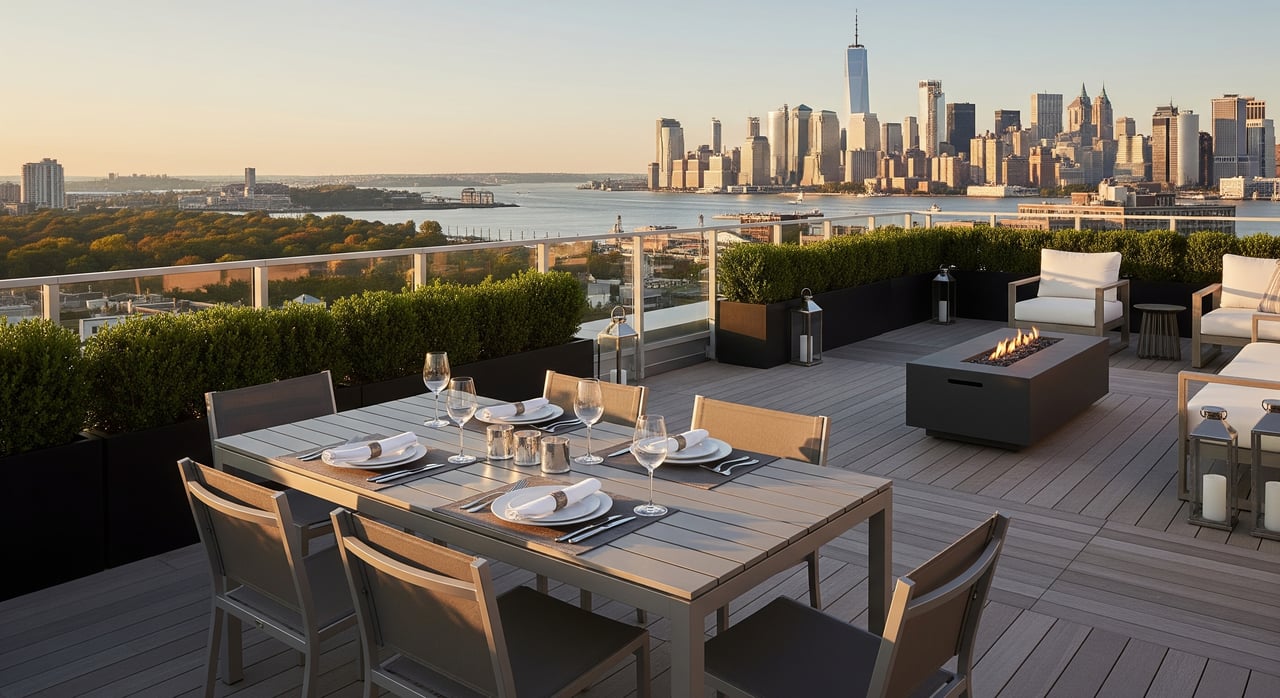
If you want quick PATH or ferry access and a modern, amenity-rich building, start here. You’ll find high-rise condos and rentals, waterfront promenades, and skyline views. Street life is busy, especially in the evenings, with restaurants and office workers mixing along the river. Expect higher prices per square foot and a more contemporary streetscape.
You’ll see restored brownstones, leafy blocks, and pocket parks like Van Vorst Park and Hamilton Park. Smaller condo conversions and low-rise buildings create a close-knit feel near local cafés and shops along Newark Avenue. Transit is still close by, including PATH and ferries from nearby terminals. Units can be smaller and parking varies by block.
This planned waterfront community offers larger buildings, on-site retail, and predictable amenities. Many residents choose Newport for convenient grocery access, indoor facilities, and proximity to PATH and the riverfront. The vibe is clean and master-planned, which some love and others find less organically urban. If you like larger floor plans in a full-service setting, put this on your list.
Journal Square is a regional transit hub with a growing dining scene and cultural landmarks like the Loew’s Jersey Theatre. Housing ranges from older rentals to newer condos near the PATH. Many commuters choose it for value compared with the waterfront while keeping PATH service to Midtown and downtown Manhattan. You’re farther from the river, and certain corridors feel more commercial.
Perched above the waterfront, The Heights offers residential blocks, local shops on Central and Palisade Avenues, and river views in some spots. You’ll find single-family homes, duplexes, and smaller multifamily buildings. Many buyers look here for more space and a quieter feel while staying connected to Manhattan through bus and light rail transfers. Commutes can be longer to PATH stations, so plan your route.
These neighborhoods sit south and west of downtown with a mix of uses and ongoing redevelopment. Housing includes two- and three-family homes, modest detached houses, and older apartment buildings. Residents often point to more budget-friendly options and access to larger, house-like layouts. Transit may require transfers to PATH, and some corridors are more car dependent.
Greenville is largely residential with some industrial and commercial stretches. You’ll see single- and two-family homes and some multifamily buildings. Lower entry prices and larger footprints draw many buyers. Amenities are more spread out and transit times can be longer.
This is the city’s signature green space with sweeping views of the Manhattan skyline and the Statue of Liberty. You can walk, bike, picnic, and enjoy seasonal events across broad lawns and waterfront paths. Ferries to Liberty Island and Ellis Island depart from within the park. It is a true escape from dense urban blocks.
These smaller, well-loved parks anchor historic neighborhoods. They host seasonal events and weekly rhythms like dog walking, farmers’ markets, and playtime on the lawns. If you value a park-centric daily routine, touring these areas is a smart move. They also put you near Newark Avenue’s dining and café scene.
On the West Side, Lincoln Park spans East and West sections with sports fields, courts, playgrounds, and a recreation center. It is a destination for team sports and weekend runs. If you want more space for recreation without leaving the city, this park delivers. Check how you would reach it from your target neighborhood.
The waterfront promenade is a favorite for morning runs, sunset walks, and quick commutes on foot to PATH and ferries. Views of Lower Manhattan make it a draw for residents and visitors alike. The walkway links several waterfront neighborhoods, so you can travel by bike or on foot between hubs. Evening foot traffic often picks up around bars and restaurants.
Newark Avenue near Grove Street is packed with cafés, bistros, pizza shops, and neighborhood restaurants. Evenings and weekends feel lively with outdoor dining and street energy. If you want to step out for a quick bite or a casual date night, this corridor makes it easy. It also connects to PATH for a smooth commute.
Along Newark Avenue in Journal Square, India Square brings a concentration of South Asian restaurants, groceries, and shops. You can sample regional cuisines and stock up at specialty markets. The wider Journal Square area adds Latin American and other global options as the dining scene expands. It is an excellent place to explore new spots on a budget.
Waterfront dining mixes upscale selections with national chains, often with river or skyline views. Expect seafood, steakhouses, and quick options that serve office workers and commuters. It is convenient if you live in a high-rise nearby or want a scenic meal. For more indie feel, head a few blocks inland.
Citywide, you will find national chains, specialty markets, and bodegas, but options vary by neighborhood. If grocery access is important, map stores near your target blocks and check delivery options. South Asian, Latin American, and Filipino markets add variety across the city. Build a daily routine that fits your food preferences and schedule.
PATH is the primary rail link to Manhattan, with lines to the World Trade Center and 33rd Street. Stations at Journal Square, Grove Street, Exchange Place, and Newport anchor the system in Jersey City. Ferries from Exchange Place, Paulus Hook, and Newport connect to Manhattan terminals and can be a scenic alternative. Ferries may cost more than PATH, so compare monthly options.
The Hudson-Bergen Light Rail connects parts of Jersey City with Hoboken and Bayonne, and ties into PATH in several places. NJ Transit and local buses run across the city and into Manhattan. Drivers use the Holland Tunnel to reach downtown and the Lincoln Tunnel to reach Midtown, with tolls and peak-hour congestion. Check parking rules on your target blocks and whether your building includes a garage.
The Hudson River Waterfront Walkway makes biking and walking pleasant in many waterfront neighborhoods. Bike infrastructure is growing but varies by street, so test your route. Downtown and Paulus Hook are highly walkable for daily errands. Farther south and west, you may rely more on buses, light rail, or a car.
Street parking is limited in denser areas and can vary by block. Many waterfront buildings offer paid garages or assigned spots. If you plan to keep a car, factor garage fees into your budget. Confirm visitor parking options for friends and family.
New Jersey property taxes are a real line item and vary by property. If you are buying a condo or co-op, review HOA or co-op fees and what they cover. Add commuting costs to your monthly plan if you use ferries or garages. Confirm all numbers from current tax records and association documents before you write an offer.
Jersey City Public Schools is a large district, and there are private and charter options. Research individual schools and confirm program availability that matters to you. For higher education, New Jersey City University and Saint Peter’s University are nearby. Proximity to parks and recreation can also shape your daily routine.
Safety varies by neighborhood and even block. Review local police statistics and community resources, then walk the area at different times of day. Listen for street noise, check lighting, and test your transit route during your actual commute hour. Small details will shape how the home feels once you move in.
If Jersey City feels like your next move, you do not need to figure it out alone. Our team lives and works across these neighborhoods and can help you test commutes, compare buildings, and prioritize the daily details that matter. Sellers can also tap curated vendors for staging and pre-listing updates that boost ROI. Start a plan that fits your goals with Mumoli Real Estate Inc..
Stay up to date on the latest real estate trends.



Private real estate advisory for New Jersey’s most discerning clients. Specializing in luxury homes, new developments, and condo conversions across Jersey City, Hoboken, Weehawken, and the NJ Suburbs.