Hoboken Car Free Living and What to Expect
May 21, 2026
May 21, 2026
Thinking about life without a car can sound like a big adjustment, until you look at a city like Hoboken. If you want a daily routine built around walking, transit, and easy access to errands, Hoboken makes that lifestyle feel practical instead of complicated. Here’s what a car-free lifestyle in Hoboken actually looks like, and what to keep in mind if you’re planning a move. Let’s dive in.
Hoboken is set up in a way that supports getting around without driving every day. The city’s transportation division manages pedestrian facilities, bicycle facilities, the free Hop shuttle, Corner Cars, and coordination with PATH and NJ Transit, which shows how central mobility is to everyday life.
The city also describes Hoboken as one of the most densely populated and transit-rich communities in the United States. That matters because in a place where destinations, sidewalks, transit, and bike routes are closely connected, a no-car routine feels natural.
In Hoboken, many of your daily trips can start on foot. Whether you are heading out for coffee, groceries, pharmacy runs, or a commute connection, walking is often the fastest first step.
Washington Street is one of Hoboken’s most walkable corridors. The city’s rehabilitation project added pedestrian countdown timers, ADA curb ramps, high-visibility crosswalks, bump-outs, and improved lighting from Observer Highway to 15th Street.
Those upgrades make a real difference in daily life. They support quicker errands, more comfortable walks, and smoother trips at different times of day.
The waterfront is not just a scenic extra. In March 2026, Hoboken reopened a key section of the Hudson River Waterfront Walkway and an adjacent multi-use path along Sinatra Drive for pedestrians, runners, and cyclists.
That corridor also includes benches, railings, drinking fountains, and new pedestrian lighting. If you value having outdoor time built into your routine, this is one of the clearest advantages of living in Hoboken without a car.
Car-free living works best when routine errands stay local. Hoboken’s own resources list supermarkets, post offices, and pharmacies throughout the city, including several along Washington Street.
The city also runs three seasonal farmers’ markets in downtown, midtown, and uptown areas. That gives you neighborhood-level options for groceries and quick shopping without needing to plan your week around driving.
A car-free lifestyle in Hoboken does not mean staying close to home all the time. It means replacing most driving with a transportation network that gives you several ways to move around.
Hoboken Terminal is the city’s main multimodal hub. According to NY Waterway, it connects NJ Transit trains, buses, light rail, Academy buses, and PATH trains, with nearby food options as well.
For you, that can mean an easier routine with fewer tradeoffs. You can combine commuting, social plans, and errands through one central access point instead of relying on a personal vehicle.
For many residents, ferry service is a major part of the appeal. NY Waterway says the Hoboken/NJ Transit terminal serves Pier 11/Wall Street, Brookfield Place, and Midtown/West 39th Street.
The Hoboken 14th Street terminal also runs to Midtown seven days a week and to downtown Manhattan on weekdays. That gives you multiple river crossings depending on where you live and where you need to go.
PATH is another key part of a no-car routine. Port Authority materials identify Hoboken service on the 33rd Street and World Trade Center branches.
That kind of rail access matters if you want your commute to start with a short walk or shuttle ride instead of a parking search. It helps keep daily movement simple and predictable.
For shorter trips within the city, Hoboken’s free Hop shuttle helps connect neighborhoods and transit nodes. The city says the Hop runs Red, Blue, and Green routes from 7 a.m. to 8 p.m., plus a senior route from 8 a.m. to 4 p.m.
It is also wheelchair accessible and stops at intersections when flagged. For residents, that adds a useful layer between walking and regional transit.
Bike share has become part of everyday life in Hoboken. The city says the system is designed to solve first- and last-mile needs and to help residents run errands without a vehicle.
In 2024, Hoboken and Jersey City recorded more than 1 million bike-share rides, including more than 600,000 e-bike rides. In 2026, Hoboken was also named a Silver-level Bicycle Friendly Community, and the city noted that bike lanes now cover almost half of Hoboken’s streets.
If you live car-free, biking can make short trips even faster. It can also reduce the friction of getting to transit, meeting friends, or picking up a few things without waiting on a schedule.
The city also allows sidewalk riding only at pedestrian walking speed while yielding to pedestrians. That rule reflects how biking is built into daily movement while still keeping pedestrian safety front and center.
A car-free lifestyle does not mean you can never use a car. In Hoboken, it often means you use one only when it actually adds value.
Hoboken’s Corner Car program offers a city-sponsored car-share model with on-street vehicles reserved for members. That can be useful for larger grocery runs, weekend trips, or destinations that are less convenient by transit.
For many residents, that setup gives them the flexibility of access without the ongoing stress of ownership. You can keep a car available for certain moments instead of building your whole budget and routine around one.
The city’s parking FAQs explain a major reason some residents prefer to go car-free. Hoboken states that there is not enough curb space to park everyone who chooses to own a car, and a resident permit does not guarantee a parking spot.
That reality changes the equation. In Hoboken, owning a car may be possible, but not owning one can be the simpler option.
Even in a walk-first city, residents still need move-ins, pickups, deliveries, and service visits to work smoothly. In 2025, Hoboken extended loading-zone hours on Washington Street from Observer Highway to Eighth Street to support local businesses and short-term visitors.
That kind of support matters when your lifestyle depends more on deliveries and occasional access than on keeping a private vehicle nearby. It helps daily logistics stay manageable.
If you are buying or renting in Hoboken, some homes make a car-free lifestyle much easier than others. The goal is not just to live in the city, but to live in a spot where the routine feels seamless.
Homes closest to Hoboken Terminal, Washington Street, the waterfront walkway, or neighborhood grocery and pharmacy options often support a smoother no-car routine. The fewer transfers and extra steps your errands require, the easier it is to stick with the lifestyle long term.
This is especially important if you commute regularly or like to keep daily tasks efficient. Convenience tends to matter more than square footage when your routine is built around movement.
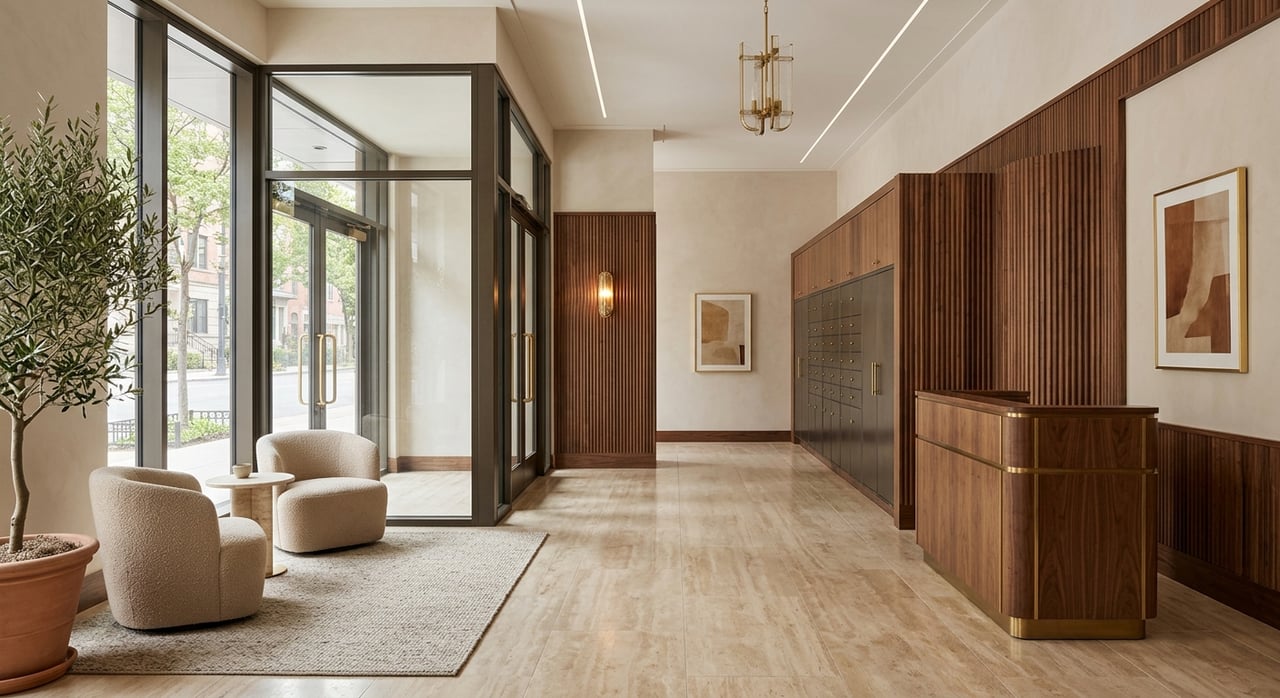
Certain building features can make a bigger impact when you live without a car. Useful details may include secure bike storage, elevator access, package handling, and easy access to a shuttle stop or transit connection.
These features reduce the small points of friction that can shape how a home feels over time. In a city like Hoboken, ease of living often comes down to how well your home supports your daily flow.
A car-free lifestyle in Hoboken often appeals to Manhattan commuters, remote workers, renters who value convenience, and buyers looking for a lower-maintenance routine. The city’s network of walking routes, ferries, PATH, bike share, and local shuttle service gives you options without making every trip feel like a project.
That does not mean a car-free routine is the right fit for everyone. But if you would rather spend your time walking to what you need than circling for parking, Hoboken offers one of the clearest examples of how that lifestyle can work in real life.
If you’re weighing a move in Hoboken and want help finding a home that fits the way you actually live, connect with Mumoli Real Estate Inc. for thoughtful, local guidance.
Stay up to date on the latest real estate trends.




Private real estate advisory for New Jersey’s most discerning clients. Specializing in luxury homes, new developments, and condo conversions across Jersey City, Hoboken, Weehawken, and the NJ Suburbs.