What Living Near Montclair Downtown Is Really Like
June 11, 2026
June 11, 2026
Montclair doesn’t revolve around one single downtown, and that is part of what makes everyday life here feel so livable. If you are thinking about moving to Montclair or simply trying to understand how the town works day to day, it helps to know that errands, dining, train access, and culture are spread across several village-style districts. Once you see how those districts connect, you get a clearer picture of what daily life can actually look like. Let’s dive in.
Montclair Township describes itself as a place with grand old homes, close access to New York City, and a thriving arts community. Just as important, the township is organized around six business and shopping districts rather than one central core. That setup gives daily life a neighborhood-scale feel, with different districts serving different routines.
The six districts are Upper Montclair, Watchung Plaza, Frog Hollow, Walnut-Grove, Montclair Center, and South End. Montclair Center is the largest district, but it does not stand alone as the only hub. In practical terms, that means your week may naturally move between several commercial areas depending on what you need.
Montclair Center is the largest of the township’s business districts and the area with the biggest concentration of arts, retail, and public destinations. The township places major anchors here, including the art museum, a concert venue, a cinema, and the public library nearby on South Fullerton Avenue. The area also includes multiple parking decks and lots, which supports a busier regional draw.
If you like having a fuller downtown experience close at hand, this district tends to deliver the broadest mix of activity. It is the part of town where errands can blend into dinner plans or an evening out. That can make everyday routines feel a little more connected and convenient.
Upper Montclair has a distinct village feel shaped by Tudor-style shops and restaurants. The township also highlights a cinema, family-oriented activity near Anderson Park, and the Upper Montclair train station nearby. That combination gives the area a steady, all-day rhythm.
For many buyers, Upper Montclair stands out because it blends local business activity with park access and transit. You can picture a day here that includes coffee, a quick errand, a train ride, and time outdoors without covering much ground. It is one of the clearest examples of Montclair’s neighborhood-based layout.
Watchung Plaza is a smaller neighborhood center with an independent bookstore, neighborhood shops and restaurants, a coffeehouse, and the Watchung Avenue train station. The scale is more compact, which can appeal if you prefer a quieter commercial setting. It feels oriented to everyday convenience rather than a bigger destination experience.
Because the station sits right in the district, Watchung Plaza supports a practical routine for residents who want local access tied closely to transit. That can be especially useful if your schedule depends on short, efficient trips. In towns like Montclair, that kind of convenience often shapes how a neighborhood feels on a normal Tuesday, not just on weekends.
Walnut-Grove leans into food and gallery activity. The township describes the district as home to galleries, bakeries, and restaurants, and notes that the Walnut Street station parking lot hosts the Montclair Farmer’s Market on Saturdays from June through November. That gives the area a weekly rhythm that many residents build into their routines.
This district can feel especially appealing if you enjoy a mix of local dining and cultural texture. The Saturday market adds a regular community touchpoint without requiring a major trip. For some buyers, that kind of recurring neighborhood pattern matters just as much as square footage.
South End is one of the smaller districts and includes shops, restaurants, and the MLK Peace Garden. While it may not have the same scale as Montclair Center, it still contributes to the town’s multi-node layout. It is another example of how Montclair spreads daily needs and destinations across different pockets.
That pattern matters because it gives residents more than one place to plug into local life. Depending on where you live, a smaller district like South End may be part of your everyday routine rather than a secondary option. In a town with several centers, proximity can shape lifestyle in very practical ways.
Frog Hollow is framed by the township as a lunch-and-takeout area along Valley Road with easy access to Edgemont Memorial Park. It is less about a full downtown experience and more about quick convenience tied to nearby green space. That gives it a very functional place in the town’s layout.
If your ideal routine includes grabbing lunch or takeout and then heading to the park, Frog Hollow fits that pattern well. Not every district has to do everything. In Montclair, each one adds a different piece to the larger lifestyle picture.
Montclair’s local geography makes more sense once you look at the transit network. The township says Montclair has six NJ Transit stations on the Montclair-Boonton Line: Bay Street, Walnut Street, Watchung Avenue, Upper Montclair, Mountain Avenue, and Montclair Heights. Several of those stations sit directly beside or close to the township’s business districts.
Bay Street is at the base of Montclair Center, Walnut Street has municipal parking, and Watchung Avenue is located at Park Street and Watchung Plaza. That setup supports a lifestyle where short local moves connect different parts of town. Instead of relying on one major downtown or one long commercial strip, you are often moving between smaller centers tied to transit and parking.
For buyers, that can be an important quality-of-life detail. A home near one district may still give you practical access to others, especially when stations, parking, and neighborhood retail are woven together. It is one reason Montclair often feels active without feeling centralized in just one place.
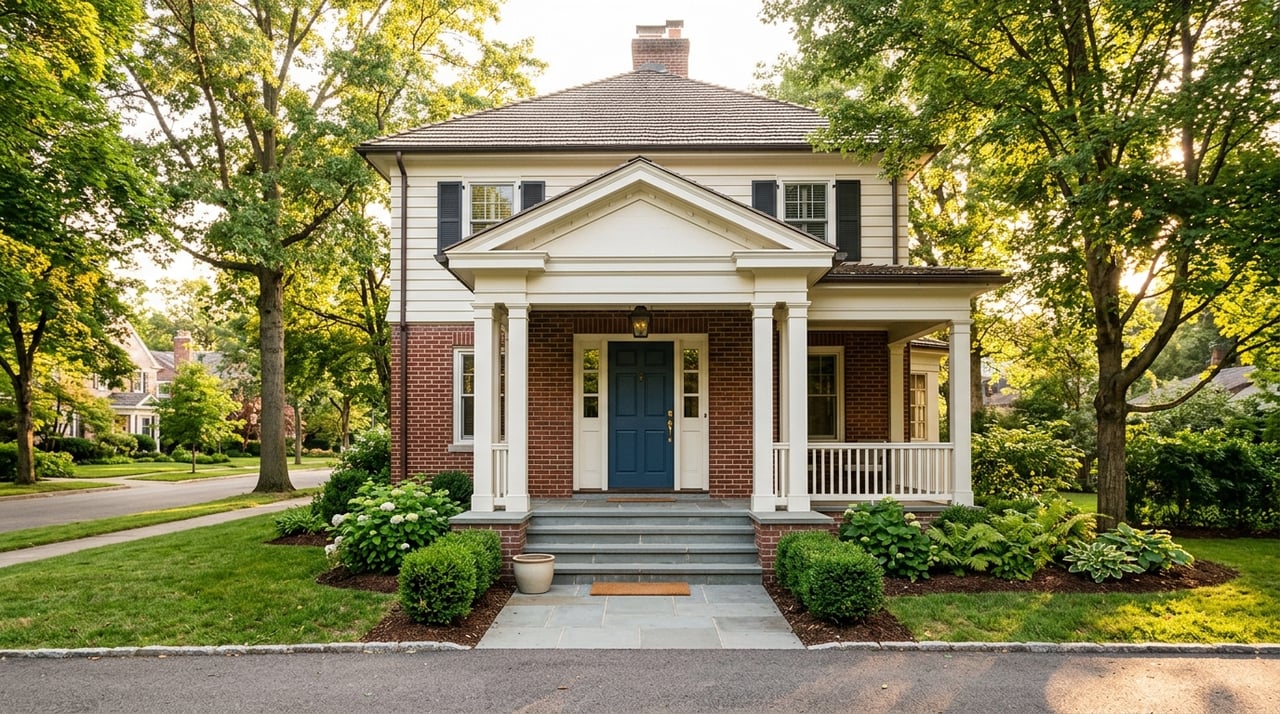
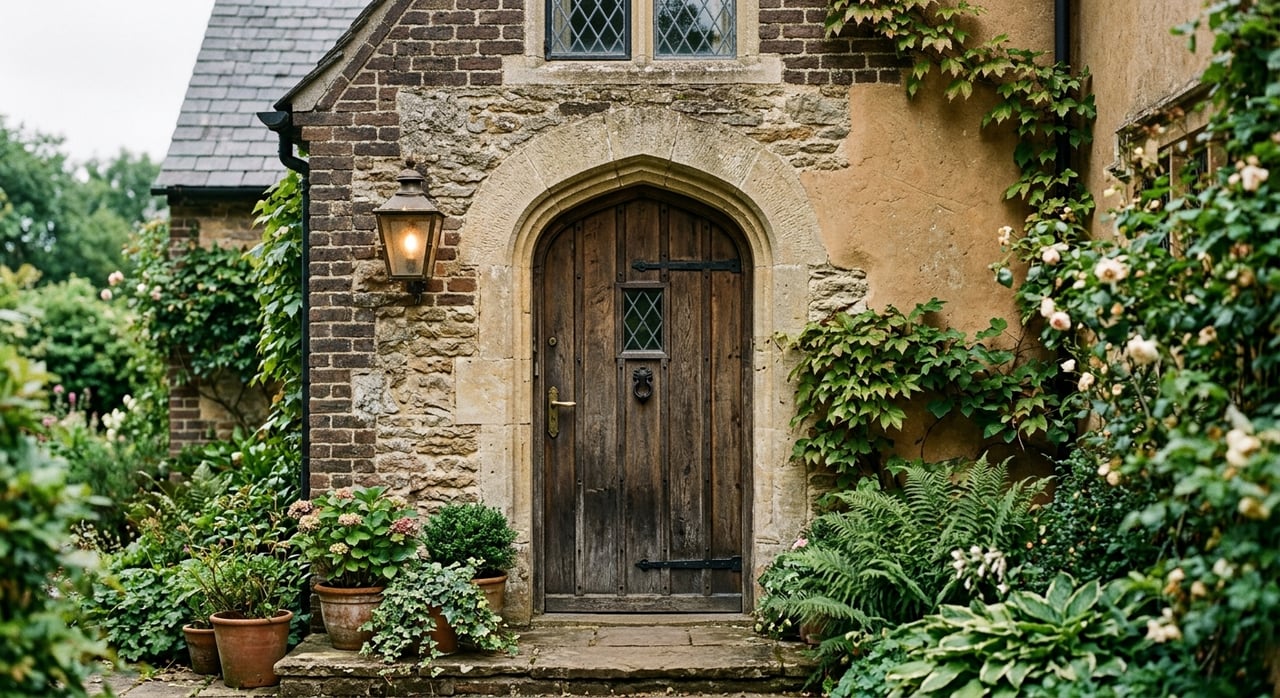
Montclair’s built environment reflects the town’s long connection to rail growth and neighborhood commerce. The township’s historic preservation materials describe architecture that developed after the arrival of the train, with surviving examples that include grand mansions, picturesque cottages, carriage houses, and other accessory buildings. That range helps explain why the housing stock can feel varied from one area to the next.
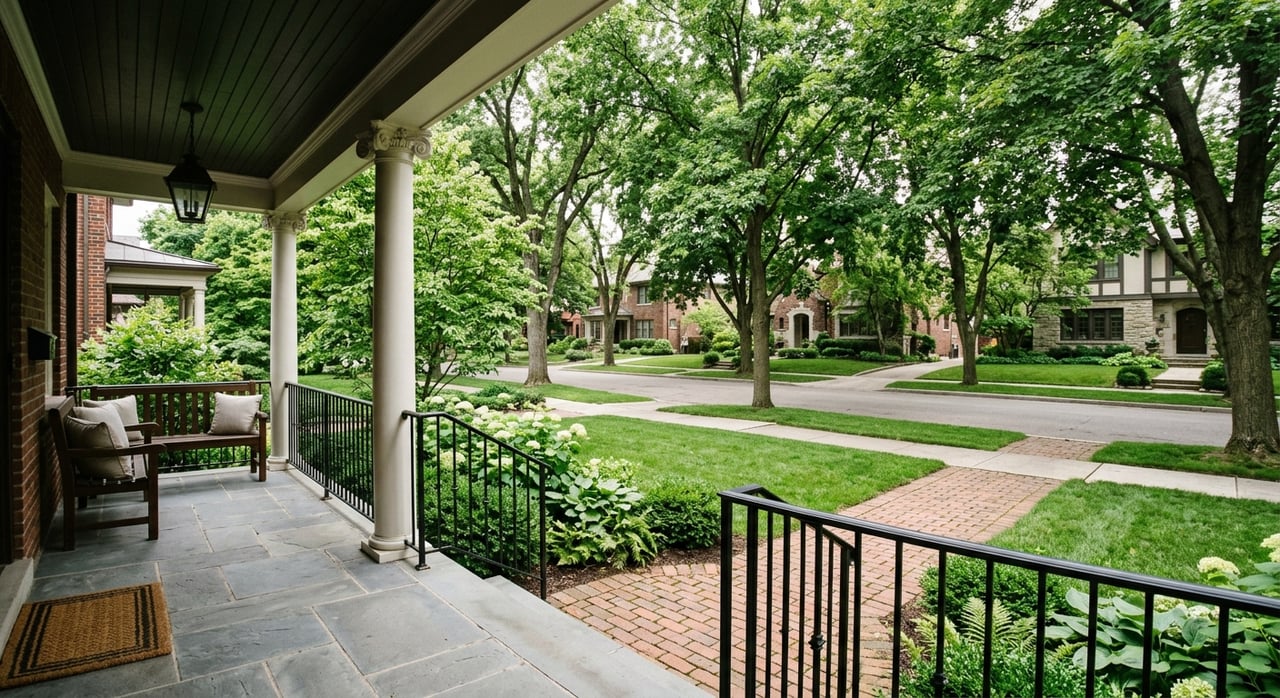
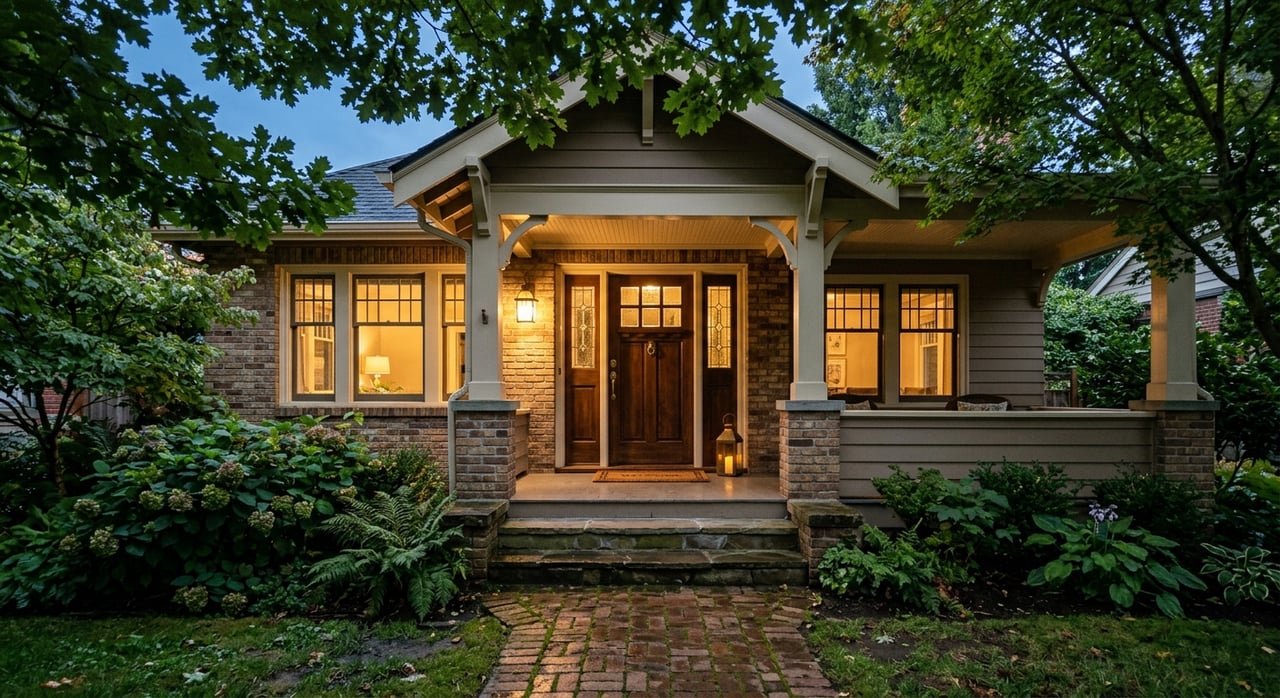
In the Upper Montclair commuter area, much of the neighborhood was built between 1900 and 1929. The township describes two- to three-story single-family houses with large front porches in Queen Anne, Craftsman, and Colonial Revival styles. Those details shape the visual character around some of Montclair’s most established corridors.
Montclair also includes apartment and mixed-use living close to downtown activity. On the township’s affordable-housing page, mixed-use examples in the center of town include Valley & Bloom, The Vestry, and The Westerly. Together, those projects show that downtown-adjacent living in Montclair is not limited to detached houses.
That variety matters if you are relocating from a city or looking for more than one housing path. Some buyers want a historic home near a village district, while others want apartment-style living close to Montclair Center. Montclair supports both patterns more clearly than many suburban markets do.
Census QuickFacts show Montclair with a 56.9% owner-occupied housing unit rate, a median owner-occupied home value of $906,400, and a median gross rent of $2,063. Those figures point to a market with a meaningful mix of owners and renters. In simple terms, Montclair reads as a place with both established homeownership and a notable rental presence.
That mixed profile fits what you see on the ground. The town includes historic single-family housing, commercial corridors, apartment options, and mixed-use development near the center. For buyers and sellers alike, that can create a broader range of lifestyle choices within one township.
It can also help to understand Montclair in relation to Glen Ridge, its neighboring borough. Glen Ridge describes itself as walkable and bikeable, with access to New York City by car, bus, or train. The borough also highlights a compact town center with neighborhood stores such as a coffee shop, deli, pharmacy, cleaners, nail salon, liquor store, restaurants, bank branches, and a full-service post office.
Glen Ridge says its center is only minutes from Montclair’s Restaurant Row and downtown shopping. At the same time, the borough is more uniformly residential in character. Census QuickFacts show Glen Ridge with a 91.1% owner-occupied housing unit rate, a median owner-occupied home value of $836,600, and a median gross rent of $2,728.
In practical terms, Montclair tends to feel more mixed-use and corridor-driven, while Glen Ridge reads as more compact and residential. Neither is better or worse. They simply support different versions of everyday life, and understanding that difference can help you narrow your search.
Montclair’s downtown districts are not just about errands and restaurants. The lifestyle layer is stronger because arts and green space are woven into the same areas where people shop, dine, and commute. That adds variety to everyday routines without requiring separate destinations.
The Montclair Art Museum was founded in 1914 and is among the first U.S. museums devoted to American art. The Wellmont Theater is located on Seymour Street, and The Clairidge operates as a six-screen nonprofit cinema in downtown Montclair. These are not peripheral attractions. They are part of what gives Montclair Center a strong sense of place.
Parks also sit close to the districts rather than far outside them. Anderson Park borders Upper Montclair and the rail line, while Edgemont Park offers ice skating, a playground, a pond, and trails. That closeness between parks and commercial areas helps make daily life feel layered and flexible.
If you are searching in Montclair, one of the smartest things you can do is match your housing search to the district pattern that fits your life. Some buyers want to be near the biggest concentration of dining, culture, and activity in Montclair Center. Others care more about a smaller village feel, quick station access, or a routine tied to parks and neighborhood-scale retail.
This is where local guidance matters. Two homes may be in the same township but support very different daily rhythms depending on which district, station, or corridor is closest. Looking at commute times alone rarely tells the full story.
A thoughtful home search is really about how you want your week to function. If you want help evaluating how Montclair’s downtown districts align with your goals, connect with Mumoli Real Estate Inc. for tailored guidance and a high-touch real estate experience.
Stay up to date on the latest real estate trends.
Private real estate advisory for New Jersey’s most discerning clients. Specializing in luxury homes, new developments, and condo conversions across Jersey City, Hoboken, Weehawken, and the NJ Suburbs.