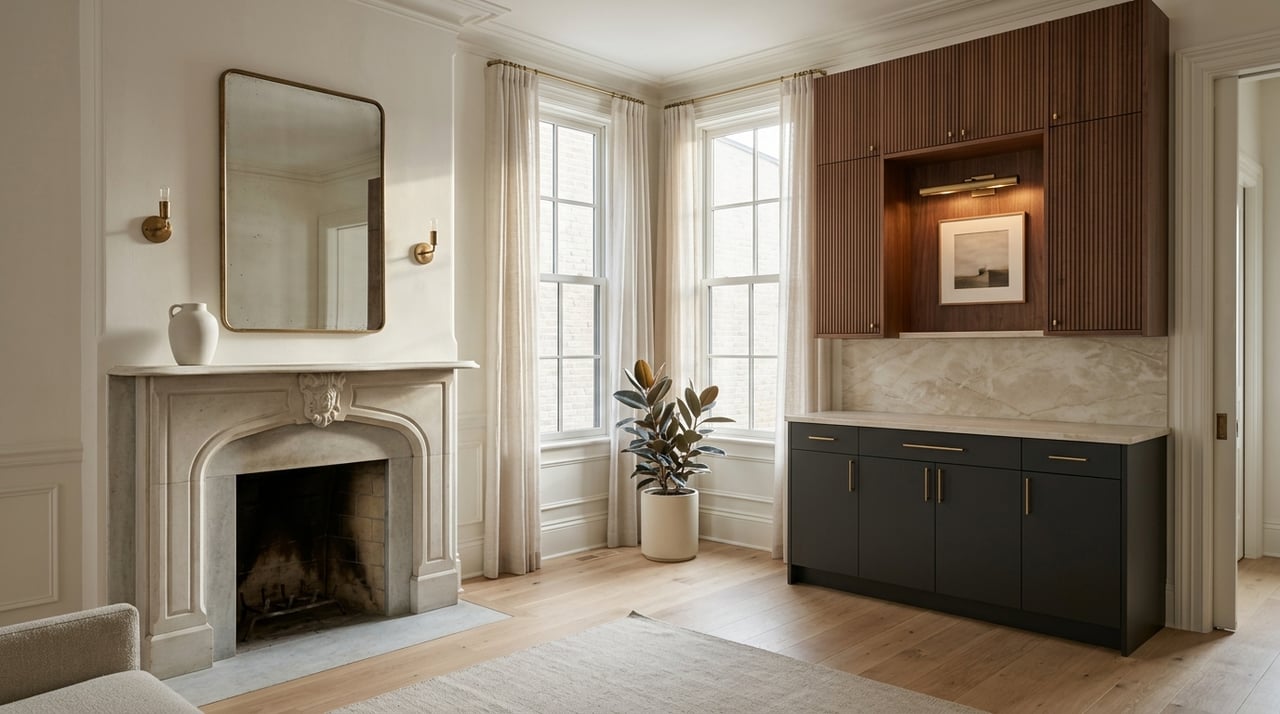
Marketing Historic Hoboken Brownstones To Today’s Buyers
June 4, 2026
June 4, 2026
If you are selling a historic Hoboken brownstone, you are not just bringing a home to market. You are presenting architecture, location, and a lifestyle that still feels rare in today’s buyer landscape. When you position that story the right way, you can help modern buyers see both the charm they want and the functionality they need. Let’s dive in.
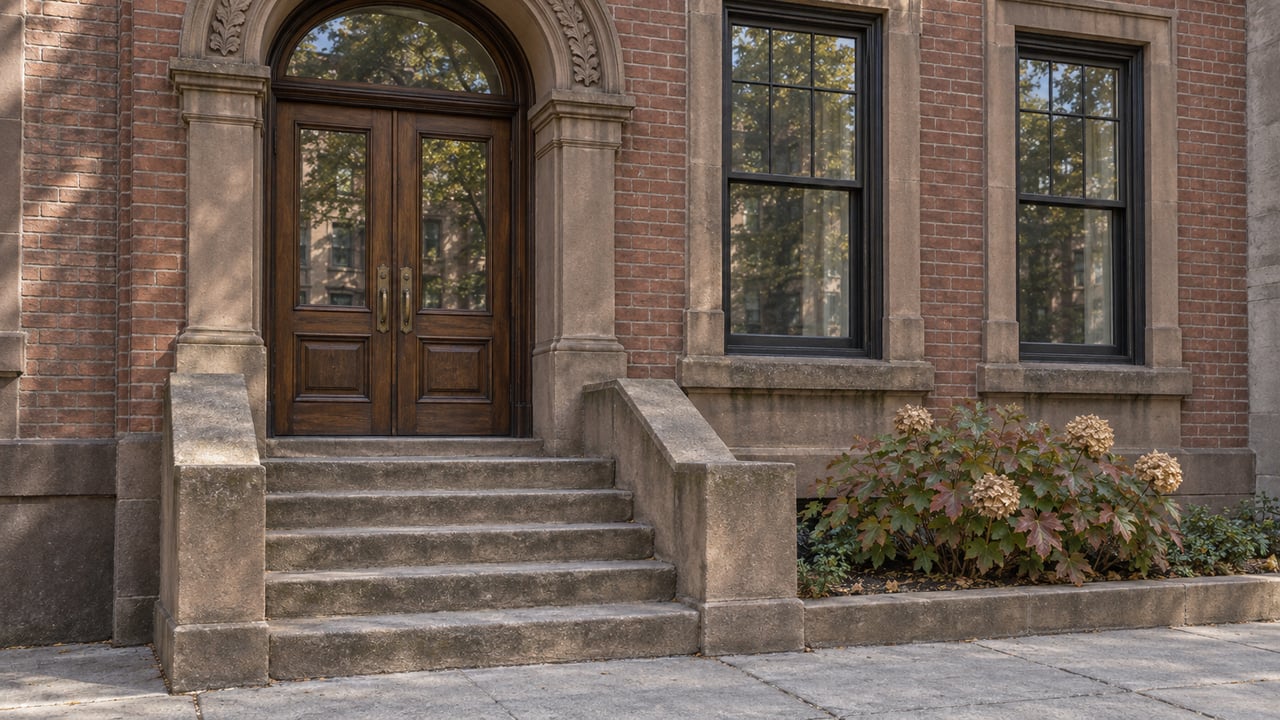
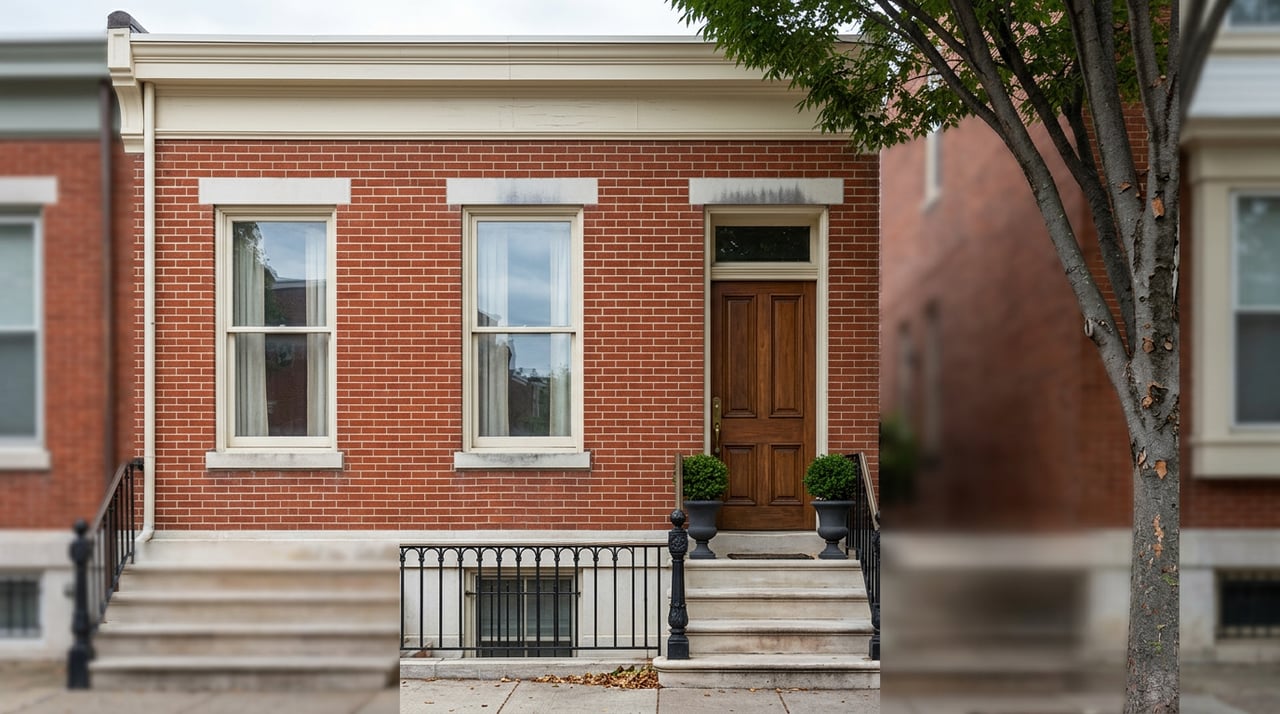
Hoboken’s historic housing stock has a distinct visual identity, and that matters in marketing. The city’s architectural survey highlights features like brownstone stoops, cast- and wrought-iron details, garden-level entrances, decorative door and window surrounds, cornices, water tables, beltcourses, rusticated stonework, and terra cotta accents. Those details create an immediate sense of place that many buyers cannot find in newer housing.
That architectural character also shapes the feel of the block. Hoboken’s preserved brownstones and cobblestone streets help give the city texture and continuity, rather than the look of a generic modern neighborhood. For buyers, that often turns a brownstone into more than a property. It becomes a lifestyle choice tied to streetscape, craftsmanship, and identity.
Modern buyers are often drawn to historic homes, but they still want clarity, comfort, and convenience. They want to see that the home has preserved the details that make it special while also feeling easy to live in day to day. That is why the strongest brownstone marketing usually balances heritage with readiness.
In practice, that means your listing should show visible historic character alongside signs of thoughtful upkeep or updates. Buyers may fall in love with the stoop, façade, or original detailing first, but they are also looking for a home that feels manageable and well presented. When both parts of that story come through, the home becomes much easier to picture as their future space.
Not every attractive older home reads as a true Hoboken brownstone at first glance. The visual cues matter, and they should lead the marketing strategy. Hoboken’s preservation survey makes clear which elements are character-defining, and those are often the same features that create instant buyer recognition.
When you market a Hoboken brownstone, start with the features that signal authenticity and craftsmanship:
These features help buyers understand that they are looking at a home with architectural substance, not a renovation that stripped away its original identity.
A brownstone does not exist in isolation. Buyers respond to the rhythm of the block, the consistency of façades, and the feeling of walking up to a home with a strong street presence. That is why block context can be just as persuasive as interior square footage in the early stages of marketing.
Historic homes benefit from presentation that feels polished but restrained. According to the National Association of Realtors’ 2025 Profile of Home Staging, 83% of buyers’ agents said staging helps buyers visualize a property as their future home. The same research found that 49% of sellers’ agents said staging reduced time on market, and 29% said it increased the dollar value offered by 1% to 10%.
For a Hoboken brownstone, the goal is not to overwhelm buyers with décor. The goal is to simplify the space so they can read room scale, natural light, and architectural detail. That usually means editing down furniture, removing distractions, and addressing obvious visual issues before the home is photographed.
Before launching the listing, focus on high-impact presentation steps such as:
This approach aligns especially well with The Mumoli Collective’s design-forward prep strategy. For the right home, targeted staging and pre-listing improvements can help preserve the brownstone’s story while making it feel current and approachable to today’s buyers.
For a historic home, photography should do more than document rooms. It should guide buyers through the home’s identity in a clear and intentional sequence. Preservation documentation standards support a visual approach that begins with context and then moves into detail.
That means your photo strategy should usually begin with the façade and stoop, include one or two block-level or streetscape images, and then move inside. After that, detail shots can reinforce what makes the property memorable, such as ironwork, trim, decorative surrounds, masonry texture, or preserved architectural elements.
A strong visual rollout often follows this order:
This sequence helps buyers understand both the emotional appeal and the practical layout of the home.
The best listing copy for a Hoboken brownstone is specific, not generic. Instead of relying only on bedroom count or price per square foot, it should translate historic features into buyer benefits. Character-defining features become craftsmanship, scale, light, and presence.
For example, a garden-level entry is not just a technical detail. It can speak to flexibility, flow, and how the home lives. A cornice line or decorative surround is not just ornament. It reinforces the sense that this is a property with architectural integrity and a stronger visual identity than a standard resale listing.
Modern buyers tend to respond when listing language communicates both story and usability. Effective messaging often emphasizes:
Historic character is a major draw, but convenience remains part of the value proposition. Hoboken Terminal is a major transportation hub with rail, bus, PATH, Hudson-Bergen Light Rail, and ferry connections. For buyers who want architectural charm without giving up regional access, that combination remains compelling.
This is especially relevant when marketing to urban professionals and relocators. Many are looking for a home that feels rooted and distinctive, while still supporting an efficient commute to Manhattan and other nearby employment centers.
If you are selling a brownstone in a locally designated historic district or a locally designated landmark, buyers may ask what can and cannot be changed on the exterior. In Hoboken, the Historic Preservation Commission reviews exterior additions, renovations, or alterations that are visible to the public on those properties.
City rules also state that no building permit, demolition permit, or certificate of zoning compliance may be issued for work affecting exterior architectural features visible from the public right-of-way until the Historic Preservation Commission has reviewed the application and issued either a Certificate of Appropriateness or a Certificate of No Effect.
This does not mean buyers should be discouraged. It means sellers should be prepared. If prior exterior work involved windows, doors, awnings, railings, or masonry, documentation can matter. If a future buyer wants to make visible exterior changes, they may need sketches, drawings, photographs, product samples, or related materials as part of the review process.
Clear expectations help build trust. A brownstone sale often benefits from thoughtful preparation not just in design, but also in paperwork and presentation.
In Hoboken, flood exposure is a practical topic, especially when a home includes a basement, garden level, or utility area that buyers may view as vulnerable. FEMA identifies flood hazard mapping through its Flood Map Service Center, and areas with a 1% annual chance of flooding are considered high risk.
At the local level, Hoboken has also highlighted major flood-mitigation efforts. These include ResilienCity Park, which the city says can manage up to 2 million gallons of stormwater, and an automated flood warning system at some of the city’s most flood-prone western intersections. For sellers, this means buyer conversations may include both property-specific questions and broader city resilience efforts.
A historic brownstone often benefits from a more deliberate rollout than a standard listing. On the Compass platform, the 3-Phased Marketing Strategy can support that process. Compass describes Private Exclusives as a way to validate pricing and gather insight before going public, Coming Soon as a broader but still controlled pre-market phase, and then the public website launch as the full rollout.
For the right Hoboken brownstone, that sequence can create space to fine-tune presentation, test messaging, and build anticipation. It can be especially useful when staging, vendor coordination, or light pre-listing improvements are part of the preparation plan.
Historic properties often need a story-led launch. They are not always best marketed as simple commodity listings. When architecture, craftsmanship, and block context are central to value, a phased strategy can help ensure the home reaches the market with the right visuals, pricing, and narrative already in place.
That approach also aligns with how The Mumoli Collective works with sellers. With concierge-style coordination, staged pre-listing preparation, and The Mumolist vendor network, the goal is to reduce friction while presenting the home at its best.
If you are considering selling a historic Hoboken brownstone, the right strategy starts long before the listing goes live. From preparation and presentation to pricing and launch, a thoughtful plan can help today’s buyers connect with what makes your home truly special. When you are ready for a tailored selling strategy, connect with Mumoli Real Estate Inc..
Stay up to date on the latest real estate trends.

Private real estate advisory for New Jersey’s most discerning clients. Specializing in luxury homes, new developments, and condo conversions across Jersey City, Hoboken, Weehawken, and the NJ Suburbs.